Upholstery Cleaning in Professional Care for Fresher, Healthier Furniture
Upholstery cleaning is one of the most effective ways to keep your home, office, and commercial interiors looking fresh, inviting, and hygienic. Whether you are dealing with everyday dust, accidental spills, pet dander, or stubborn odors, upholstery cleaning helps restore the appearance and comfort of fabric-covered furniture. Over time, sofas, armchairs, dining chairs, ottomans, and other upholstered items naturally collect dirt that vacuuming alone cannot fully remove. That is why regular upholstery cleaning matters for both aesthetics and indoor air quality.
People often invest in beautiful furniture but forget that the fabrics on those pieces need ongoing care. Professional upholstery cleaning does far more than improve visual appeal. It can extend the lifespan of your furniture, reduce allergens, and prevent permanent staining. If you have ever noticed that a couch looks dull, smells musty, or feels less comfortable than it once did, targeted upholstery cleaning may be the solution. In busy households and high-traffic business spaces, this service is especially valuable.
Today, consumers are also more aware of the connection between cleanliness and wellness. A clean sofa or chair contributes to a cleaner indoor environment, which is one reason why upholstery cleaning has become a priority for many property owners. From delicate fabrics to durable synthetics, different materials require different treatment methods. Understanding the process can help you make better decisions about maintenance, scheduling, and choosing the right cleaning approach.
Why Upholstery Cleaning Matters
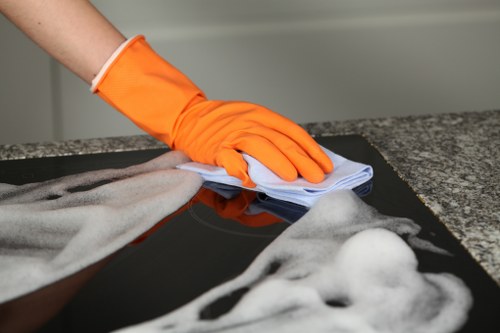
Furniture absorbs far more than the eye can see. Dust, skin cells, food crumbs, oils, and airborne particles settle into upholstery fibers every day. If not addressed, these contaminants build up and create a dull, dirty surface that can affect the comfort and cleanliness of your living space. Upholstery cleaning removes embedded debris and helps maintain the look and feel of your furniture for longer.
Another important reason to prioritize upholstery cleaning is allergen control. Fabrics can trap pollen, pet hair, dust mites, and other irritants that may trigger sneezing, congestion, or discomfort. For families, pet owners, and anyone sensitive to indoor allergens, regular upholstery cleaning can make a noticeable difference. It is not just a cosmetic service; it is part of a healthier indoor environment.
There is also a practical financial advantage. Replacing furniture can be expensive, especially if you have high-quality pieces or custom upholstery. Routine upholstery cleaning can delay the need for replacement by preserving fibers, maintaining color, and preventing damage from long-term buildup. In many cases, proper upholstery maintenance is a smart investment that helps protect your furnishings over time.
Common Problems Upholstery Cleaning Can Solve
Different homes and businesses face different upholstery challenges, but many of the issues are surprisingly common. From everyday dirt to specific accidents, upholstery cleaning can address a wide range of concerns when done correctly.
Some of the most frequent problems include:
- Food and beverage stains from coffee, wine, juice, or sauces
- Pet odors and hair embedded in fabric
- Dust accumulation in high-use seating areas
- Body oils that darken armrests and headrests
- Mildew or musty smells from moisture exposure
- General dullness caused by daily use
Some stains are surface-level, while others soak deep into the fibers and cushion padding. That is why upholstery cleaning needs to be tailored to the issue at hand. A quick wipe may help with a fresh spill, but embedded grime often requires deeper extraction and the correct cleaning solution. Professional upholstery cleaning is designed to target these issues without damaging the fabric.
How Upholstery Cleaning Works

The upholstery cleaning process usually begins with a fabric assessment. Different materials react differently to water, heat, and cleaning products, so the technician must identify the fiber type before choosing a treatment. Cotton, linen, microfiber, wool, leather, and synthetic blends each have unique needs. This step helps prevent shrinkage, discoloration, or damage.
After inspection, the surface is typically vacuumed to remove loose dirt, dust, and debris. This preparation step is essential because it allows deeper cleaning methods to work more effectively. In many cases, upholstery cleaning then involves pre-treatment of stains and problem areas. Specialized solutions loosen grime so it can be removed more easily during the main cleaning stage.
The final phase may include hot water extraction, low-moisture cleaning, foam application, or another fabric-safe method depending on the furniture. Once cleaning is complete, the upholstery should be left to dry properly. Good airflow and proper drying time help preserve the fabric and minimize the chance of odors returning. Effective upholstery cleaning is a careful, step-by-step process rather than a one-size-fits-all approach.
Fabric-Specific Considerations
Not every sofa or chair can be cleaned the same way. Delicate fabrics need gentler methods, while more durable materials can often handle deeper extraction. This is one reason professional upholstery cleaning is often preferred over DIY attempts, especially for expensive or antique pieces.
Benefits of Professional Upholstery Cleaning
Hiring a professional for upholstery cleaning offers benefits that go beyond surface appearance. While at-home cleaning products may help with small messes, they often cannot match the results achieved by trained technicians using commercial-grade equipment and fabric-appropriate solutions.
Key benefits include:
- Deep soil removal that reaches beyond the surface fibers
- Improved indoor air quality by reducing trapped allergens and dust
- Stain reduction using specialized pre-treatments and extraction
- Odor elimination from pets, spills, smoke, and everyday use
- Fabric protection through proper cleaning techniques and aftercare
- Longer furniture lifespan by preserving the upholstery material
Professional upholstery cleaning also offers convenience. Instead of spending time researching products, testing spot removers, and worrying about fabric damage, you can rely on an experienced team to handle the job efficiently. For busy households and business owners, that convenience can be just as valuable as the final results.
When to Schedule Upholstery Cleaning
The right cleaning frequency depends on your lifestyle, environment, and furniture use. A lightly used guest-room chair may not need attention as often as a family room sofa that sees daily use. However, most upholstered furniture benefits from periodic care to prevent buildup and preserve condition.
Consider upholstery cleaning if you notice any of the following signs:
- Visible stains or dark spots
- Persistent odors even after airing out the room
- Fabric that looks tired or faded
- Increased allergy symptoms indoors
- Pet fur that seems embedded in the material
- Recent spills or water exposure
As a general rule, many households benefit from upholstery cleaning every 12 to 24 months, while homes with pets, children, or heavy use may need it more frequently. Commercial spaces, such as waiting rooms, lobbies, and office seating areas, often require a more regular schedule to maintain a clean, professional appearance.
DIY Cleaning vs Professional Upholstery Cleaning
Some homeowners prefer to tackle small upholstery jobs themselves, and that can work for minor surface marks or routine maintenance. However, DIY upholstery cleaning has limitations. Store-bought sprays, foam cleaners, and rented machines can be helpful, but they may not reach deep enough to remove hidden soil or allergens. They can also leave residue if used incorrectly.
Professional upholstery cleaning offers a more reliable solution because technicians know how to assess fabric types, choose the proper cleaning method, and avoid common mistakes. For example, using too much water on certain fabrics can create ring marks or cause shrinkage. The wrong chemical can bleach color or weaken fibers. A skilled cleaner understands how to balance effectiveness with safety.
That said, DIY care still has a place in upholstery maintenance. Regular vacuuming, prompt attention to spills, and rotating cushions can help extend the results of professional service. The most effective strategy is usually a combination of consistent home care and scheduled upholstery cleaning by trained specialists.
Useful Home Maintenance Habits
To keep upholstery looking better between services, try the following:
- Vacuum fabric surfaces weekly using an upholstery attachment
- Blot spills immediately rather than rubbing them
- Keep food and drinks away from heavily used seating
- Rotate and fluff cushions regularly
- Use fabric-safe protectors where appropriate
Upholstery Cleaning for Different Spaces
Upholstery cleaning is valuable in nearly every type of environment. In homes, it helps keep living rooms, family rooms, and bedrooms more comfortable and attractive. In apartments and rental properties, it supports move-in readiness and helps reduce lingering odors between tenants. In offices and waiting rooms, clean upholstery creates a more polished first impression for clients and visitors.
Commercial spaces often have unique challenges because furniture experiences higher traffic and more frequent contact. Chairs in reception areas, conference rooms, and public lounges can accumulate dirt quickly. Regular upholstery cleaning helps businesses maintain a professional image while also supporting cleanliness standards for employees and guests.
Hospitality settings, such as hotels, restaurants, and event venues, also rely on upholstery care. Guests notice the condition of seating immediately, and clean upholstery contributes to a sense of quality and comfort. Whether the setting is residential or commercial, upholstery cleaning plays a key role in presentation and hygiene.
Best Practices for Business Owners
If you manage a workplace or customer-facing environment, it helps to create a recurring upholstery cleaning schedule. This can reduce wear, improve the appearance of common areas, and avoid the cost of premature replacement. In many cases, scheduled upholstery cleaning is easier and more cost-effective than emergency stain removal after an incident.
How to Choose the Right Upholstery Cleaning Service
Not all cleaning services are the same, so choosing the right provider matters. A trustworthy upholstery cleaning company should know how to handle different fabrics, explain the cleaning process clearly, and use suitable methods for your furniture. Experience, equipment, and attention to detail all matter when you want the best possible outcome.
Before booking a service, consider asking these questions:
- What cleaning methods do you use for my fabric type?
- Do you inspect the upholstery before starting?
- How do you handle stubborn stains and odors?
- What drying time should I expect?
- Can you clean delicate or specialty fabrics safely?
It is also wise to look for a provider that emphasizes fabric safety and stain-specific treatment. The best upholstery cleaning services are not just about removing dirt; they are about preserving the quality of the furniture while delivering visible improvement. A good cleaner will explain what results are realistic and what care is needed afterward.
Why Upholstery Cleaning Supports a Cleaner Home
Clean furniture has a ripple effect throughout the rest of the home. When upholstery is free from dust and debris, the surrounding space often feels fresher as well. This can make the entire room more pleasant to spend time in. Freshly cleaned seating can also encourage better cleaning habits overall, since people tend to take more pride in a tidy environment.
There is also an emotional benefit to clean furnishings. A sofa or chair that looks and smells clean contributes to a sense of comfort and relaxation. That matters in the spaces where families gather, guests are entertained, and people unwind after a long day. Upholstery cleaning helps furniture feel welcoming again.
For households with children or pets, the value of upholstery cleaning becomes even clearer. Spills, muddy paw prints, snack crumbs, and daily wear can quickly affect the appearance of furniture. Regular service helps manage those realities without making the home feel like a constant cleanup project. It is a practical way to maintain both beauty and usability.
Small Details That Make a Big Difference
It is often the furniture people use most that benefits the most from care. Armrests, seat cushions, and headrests tend to collect grime first. By targeting these high-contact areas during upholstery cleaning, you can dramatically improve the look of an entire room without replacing any furniture.
Final Thoughts on Upholstery Cleaning
Upholstery cleaning is one of those services that quietly improves daily life in several ways. It helps furniture look better, feel more comfortable, and last longer. It supports a cleaner indoor environment, reduces allergens, and removes odors that can build up over time. For both homes and businesses, it is a practical and worthwhile part of property care.
Whether you are dealing with a stained sofa, a tired-looking loveseat, or office seating that needs a refresh, regular upholstery cleaning can make a noticeable difference. Choosing the right method and the right service provider ensures that your furniture receives the care it needs without unnecessary risk. That combination of protection and renewal is what makes professional upholstery cleaning so valuable.
If your furniture is due for attention, do not wait until stains become permanent or odors become harder to remove. Book your service now and give your upholstered pieces the care they deserve. Contact us today to help restore a cleaner, fresher, and more inviting space with expert upholstery cleaning.