Deep Cleaning in Homes and Businesses: A Practical Approach to a Healthier Space
Deep cleaning is more than a quick tidy-up. It is the process of removing built-up dirt, grime, allergens, and hidden debris from areas that routine cleaning often misses. Whether you are managing a busy household, preparing a property for guests, or maintaining a professional workspace, deep cleaning helps create a fresher, safer, and more polished environment. In today’s fast-paced world, many people search for deep cleaning solutions that save time while delivering visible results. This article explores what deep cleaning includes, why it matters, how often it should be done, and the best ways to keep your space in top condition.
Unlike surface cleaning, which focuses on visible mess, deep cleaning targets the hidden layers of dust, bacteria, and residue that build up over time. It often involves scrubbing, sanitizing, disinfecting, and detailed attention to high-touch and hard-to-reach areas. A well-planned deep cleaning service can make a major difference in indoor air quality, overall hygiene, and the appearance of your space. If you want a cleaner home or workplace that feels truly refreshed, deep cleaning is the answer.
Many people wait until a space looks dirty before taking action, but that approach can allow allergens, grease, and germs to accumulate. Deep cleaning is most effective when done consistently and strategically. By understanding what to clean, when to clean it, and how to clean it properly, you can maintain a healthier environment year-round. This article will also help you decide when it may be time to book a professional deep cleaning service.
What Deep Cleaning Really Means
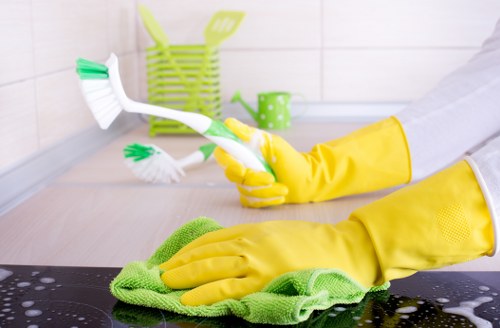
Deep cleaning refers to a thorough cleaning process designed to reach areas that are usually ignored in routine maintenance. It goes beyond dusting surfaces or vacuuming floors. A proper deep cleaning session may include cleaning behind appliances, scrubbing grout lines, disinfecting switches and handles, removing soap scum, and refreshing fabrics and upholstery. The goal is not just appearance, but also sanitation and long-term upkeep.
In a home, deep cleaning often includes kitchens, bathrooms, bedrooms, living areas, and entry points. In commercial settings, it may include workstations, break rooms, restrooms, lobbies, and shared equipment. The process can be customized depending on the size of the property, the type of flooring, and the level of buildup. Because every space is different, deep cleaning should always be tailored to the needs of the environment.
Many property owners also schedule deep cleaning seasonally or before major events. This helps reduce dust, maintain surfaces, and create a more welcoming atmosphere. Whether you are preparing for guests, moving in, moving out, or simply refreshing your surroundings, deep cleaning provides a noticeable improvement that routine maintenance alone cannot match.
Why Deep Cleaning Matters

There are many reasons why deep cleaning is essential. First, it helps reduce allergens such as dust mites, pet dander, pollen, and mold spores. These particles often settle in vents, carpets, curtains, and furniture, where they can affect air quality and trigger discomfort. Regular deep cleaning can make indoor spaces feel cleaner and more breathable.
Second, deep cleaning supports better hygiene. Germs can collect on frequently touched surfaces such as doorknobs, remotes, faucet handles, keyboards, and light switches. By thoroughly disinfecting these points, you lower the risk of spreading bacteria and viruses. For families, offices, and shared properties, deep cleaning is a smart way to support health and well-being.
Third, deep cleaning helps preserve the value of your property. Dirt and grime can wear down materials over time, especially on flooring, countertops, tile, and fixtures. Regular attention prevents long-term damage and reduces the need for costly repairs or replacements. In this sense, deep cleaning is both a health investment and a maintenance strategy.
Deep Cleaning for Homes
Homeowners often benefit the most from a structured deep cleaning routine. Living spaces naturally collect dust, crumbs, oils, and everyday messes that quickly become embedded in corners and surfaces. A deep clean helps restore order and freshness, especially in areas that receive heavy use. Kitchens, bathrooms, and floors usually require the most attention.
In the kitchen, deep cleaning may include degreasing stovetops, wiping cabinet fronts, cleaning inside the oven, sanitizing sinks, and moving appliances to remove hidden buildup. Because food prep areas must remain hygienic, kitchen deep cleaning is one of the most important parts of the process. It also helps eliminate odors and sticky residue that regular wiping may leave behind.
Bathrooms are another area where deep cleaning makes a dramatic difference. Soap scum, mildew, hard water stains, and bacteria often collect on showers, toilets, grout, and mirrors. A detailed bathroom cleaning routine can brighten surfaces and create a more sanitary room. Bedrooms and living areas also benefit from vacuuming under furniture, cleaning baseboards, and dusting ceiling fans, vents, and blinds.
High-Priority Home Areas to Deep Clean
- Kitchen appliances, sinks, and countertops
- Bathrooms, grout, and fixtures
- Baseboards, trim, and vents
- Carpets, rugs, and upholstered furniture
- Behind and under large furniture
- Windows, tracks, and window sills
Deep Cleaning for Businesses and Workspaces
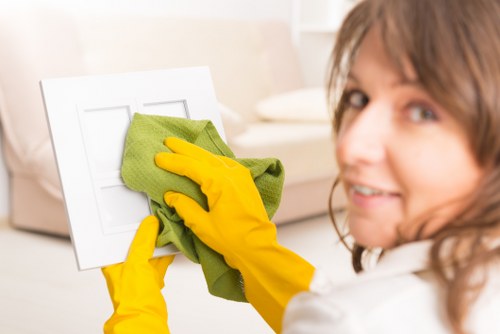
Workplaces need deep cleaning just as much as homes, and in some cases even more. Offices, retail stores, clinics, and shared spaces experience constant traffic, which means dirt and germs build up quickly. A clean workspace supports employee comfort, improves the experience for visitors, and reflects a professional image.
Commercial deep cleaning often focuses on sanitation, organization, and appearance. Tasks may include disinfecting desks, cleaning reception areas, polishing floors, removing dust from electronics, and thoroughly sanitizing restrooms and break rooms. Shared surfaces such as conference tables, handles, and elevator buttons should also be included in the process. These areas are heavily touched and can harbor bacteria if neglected.
Businesses that schedule regular deep cleaning can also improve productivity. Employees are more likely to feel motivated in a clean and organized environment. In customer-facing businesses, a fresh, polished appearance can strengthen trust and improve the overall brand image. For this reason, many companies view deep cleaning as part of their operating standards rather than an occasional luxury.
Common Commercial Deep Cleaning Tasks
- Disinfecting shared surfaces and equipment
- Vacuuming carpets and cleaning floor edges
- Cleaning windows, glass panels, and doors
- Sanitizing restrooms and break rooms
- Dusting vents, shelves, and fixtures
- Removing buildup from corners and hard-to-reach spaces
How Often Should Deep Cleaning Be Done?
The ideal frequency for deep cleaning depends on the space, the number of occupants, and how much daily use the area receives. For many homes, a deep clean every three to six months is a good starting point. However, high-traffic households, homes with children or pets, and properties with allergies may require more frequent attention.
Commercial spaces usually need a more structured schedule. Offices may benefit from monthly or quarterly deep cleaning, while restaurants, healthcare-related spaces, and customer-heavy businesses may require more frequent service. The right timing depends on hygiene standards, foot traffic, and the type of work being done. A consistent deep cleaning plan helps maintain cleanliness before buildup becomes noticeable.
There are also special situations that call for immediate deep cleaning. These include moving in or out of a property, after renovations, after illness, before events, or after periods of long vacancy. In these cases, a more intensive cleaning session can help restore the space quickly and effectively. Planning ahead ensures the process is manageable and thorough.
Signs It Is Time for a Deep Clean
- Visible grime or stains on surfaces
- Persistent odors that do not go away
- Dust buildup in corners, vents, or edges
- Allergy symptoms seem worse indoors
- Bathrooms or kitchens no longer feel fresh
- The space has not been cleaned thoroughly in months
What Is Included in a Deep Cleaning Service?

A professional deep cleaning service typically covers a detailed checklist that goes far beyond daily chores. While specific services vary, many providers begin with dusting, sanitizing, vacuuming, and scrubbing all major surfaces. Then they move into specialized tasks such as baseboard cleaning, grout scrubbing, appliance detailing, and hard-to-reach areas. This is what helps transform a space from simply tidy to genuinely refreshed.
In most cases, a deep cleaning service will also include bathroom sanitation, kitchen detailing, and floor treatment. Depending on the materials in the property, cleaners may use different methods for tile, hardwood, laminate, carpet, or stone. A good service pays attention to detail and uses appropriate products to avoid damaging surfaces while still delivering strong results. That careful balance is one of the biggest advantages of hiring professionals for deep cleaning.
Some providers also offer add-on services such as interior window cleaning, refrigerator cleaning, upholstery cleaning, and cabinet wiping. These extras can be helpful when a space needs a full reset. If you are preparing a home for sale, a rental turnover, or an office refresh, a customized deep cleaning package can save time and deliver a more polished outcome.
Typical Deep Cleaning Checklist
- Dust all surfaces, fixtures, and decorative items
- Clean and sanitize kitchens and bathrooms
- Vacuum carpets, rugs, and upholstery
- Mop hard floors and clean edges
- Scrub tiles, grout, and sinks
- Wipe doors, handles, switches, and baseboards
- Remove buildup behind and under furniture or appliances
Benefits of Professional Deep Cleaning
Hiring professionals for deep cleaning offers several practical benefits. The first is time savings. Many people simply do not have the hours or energy needed to clean every corner of a property thoroughly. A professional team can complete detailed work much faster while maintaining quality and consistency. This makes deep cleaning a convenient option for busy households and businesses.
Another major benefit is expertise. Professional cleaners understand which products and techniques work best for different materials and situations. They know how to remove stubborn stains, address buildup, and sanitize efficiently without causing damage. This knowledge matters especially when dealing with delicate finishes, heavy grime, or specialty surfaces. A skilled deep cleaning approach can produce better results than trial-and-error cleaning at home.
Professional service also offers peace of mind. When cleaning is done thoroughly and systematically, you can feel more confident that the space is hygienic and well maintained. For families, this can mean a healthier home. For businesses, it can mean a cleaner impression for staff and visitors. If you want reliable results, deep cleaning performed by trained cleaners is often the best choice.
Contact us today to learn more about how a carefully planned deep cleaning service can support your home or business goals. Book your service now and enjoy the difference a truly detailed clean can make.
Deep Cleaning Tips for Better Results

Whether you clean yourself or hire help, a few smart strategies can improve the outcome of any deep cleaning session. The first rule is to work from top to bottom. Dust and debris fall downward, so cleaning high surfaces before floors prevents you from redoing work. Start with ceiling fans, shelves, and vents, then move to counters, furniture, and finally the floor.
Second, use a room-by-room approach. Trying to deep clean an entire property all at once can feel overwhelming. Breaking the work into manageable sections makes it easier to stay focused and complete tasks properly. Many people find success by cleaning one room per day or dividing the process across a weekend. This approach is especially helpful when tackling deep cleaning after a long period of buildup.
Third, use the right tools. Microfiber cloths, scrub brushes, vacuum attachments, disinfectant sprays, mop systems, and gloves all make the work more efficient. For stubborn grime, allow cleaning products enough dwell time to work before wiping. Rushing the process can reduce results. Careful preparation and the right supplies are essential to any effective deep cleaning routine.
Helpful Deep Cleaning Habits
- Declutter before you begin
- Keep a supply kit ready for repeated use
- Label products for different rooms or surfaces
- Allow enough time for drying and ventilation
- Repeat high-touch disinfection regularly
Deep Cleaning and Indoor Health
One of the strongest reasons to prioritize deep cleaning is its impact on indoor health. Dust, mold, bacteria, and allergens can contribute to discomfort, unpleasant odors, and poor air quality. Regular deep cleaning reduces the amount of contamination circulating inside your home or office. This can be especially valuable for children, older adults, and anyone with asthma or allergies.
Bathrooms and kitchens deserve special attention because moisture and residue create ideal conditions for microbial growth. If left unchecked, buildup in drains, sinks, and tiles can lead to ongoing odor and sanitation problems. With deep cleaning, these trouble spots are addressed before they become larger issues. This helps maintain a more pleasant and hygienic space overall.
Clean surroundings can also influence mental well-being. Many people feel less stressed and more focused in a tidy environment. A refreshed home or office can support a clearer mindset and greater comfort throughout the day. While deep cleaning is practical, it also contributes to how a space feels emotionally and visually.
Health-Focused Areas to Prioritize
- Air vents and filters
- High-touch door hardware
- Kitchen prep areas
- Bathroom fixtures and drains
- Carpets, rugs, and upholstered seating
Choosing the Right Deep Cleaning Approach
Every property has different needs, so the best deep cleaning approach depends on usage, materials, and desired results. A family home may need a focus on children’s rooms, pet areas, and food preparation spaces. A commercial office may require more attention to desks, restrooms, and shared equipment. Matching the process to the environment ensures better efficiency and better outcomes.
It is also important to consider whether you want a one-time deep clean or a recurring plan. One-time service is ideal for special situations such as move-in cleaning or post-renovation cleanup. Recurring service is often better for preserving cleanliness and reducing the effort needed each time. If consistency matters, scheduling deep cleaning regularly can make long-term maintenance much easier.
For those who prefer to handle some tasks on their own, a hybrid approach may work well. You can do regular upkeep between professional visits, then rely on experts for the heavy-duty work. This balance helps keep the space under control without sacrificing quality. No matter the method, the goal of deep cleaning remains the same: a cleaner, healthier, and more welcoming environment.
Deep cleaning is not just about appearances. It is about care, hygiene, and creating a space that supports everyday life. When done well, it can improve comfort, extend the life of surfaces, and make a property feel almost new again.
Book your service now if you are ready to enjoy a cleaner space that truly stands out. Whether for home or business, deep cleaning can make a remarkable difference.