Sofa Cleaning in Your Home: A Practical, SEO-Friendly Approach to Fresh, Healthy Upholstery
Keeping your living room fresh starts with sofa cleaning. Sofas collect dust, crumbs, pet hair, body oils, and everyday spills faster than most people realize. Whether your couch is fabric, microfiber, leather, or a blend of materials, regular sofa cleaning helps preserve comfort, appearance, and indoor air quality. It also reduces odors and can extend the life of your furniture, saving money over time.
Many households wait until stains become obvious before they think about sofa cleaning. By then, dirt has often settled deep into the upholstery, making the process more difficult. A consistent cleaning routine is a smarter approach because it prevents buildup, keeps colors looking brighter, and helps the sofa remain inviting for family and guests.
In this article, you’ll learn how sofa cleaning works, why it matters, what methods are best for different materials, and how to maintain a cleaner couch between deeper cleans. You’ll also find practical tips for stain removal, odor control, and routine upkeep that support a healthier home.
Why Sofa Cleaning Matters for Every Home

Sofa cleaning is not just about making furniture look attractive. It is also about hygiene, comfort, and long-term care. Sofas are high-contact surfaces, which means they absorb oils from skin, dust from the air, and particles from clothing every day. Over time, this buildup can affect the freshness of your room and even contribute to allergies or irritation.
Regular upholstery cleaning also protects the fabric structure. Dirt particles can act like tiny abrasives, weakening fibers with repeated friction. That means a neglected sofa may wear out sooner, fade faster, and lose its original texture. In contrast, a clean couch can remain soft, supportive, and visually appealing for years.
For households with pets or children, sofa cleaning becomes even more important. Paw prints, spills, snack crumbs, and sticky marks are common. A clean sofa helps create a more pleasant environment, especially in homes where the living room is used daily for relaxing, entertaining, or working from home.
Common Sofa Problems That Require Cleaning
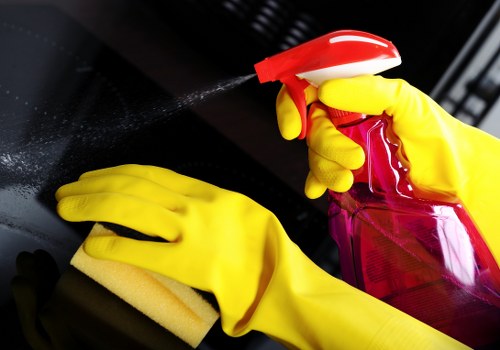
Most sofas develop similar issues, no matter the material. One of the most common is dust accumulation, which settles into cushions and seams. Another is staining from coffee, tea, wine, sauces, or makeup. These marks often spread if treated incorrectly, so timely sofa cleaning is essential.
Odor is another common concern. Upholstery can trap smells from cooking, pets, smoke, and humidity. If a sofa smells stale, it may need a deep refresh rather than a quick surface wipe. Fabric sofas, in particular, can absorb moisture and retain musty odors if they are not cared for properly.
There are also hidden problems. Sweat, skin flakes, and microscopic debris can sink into cushioning where vacuuming alone may not reach. That is why effective sofa cleaning should combine surface maintenance with deeper treatment methods when necessary.
Signs Your Sofa Needs Attention
- Visible stains or rings
- Lingering odors after normal use
- Dust that reappears quickly after wiping
- Flattened or dull-looking upholstery
- Pet hair embedded in the fabric
Understanding Sofa Materials Before Cleaning
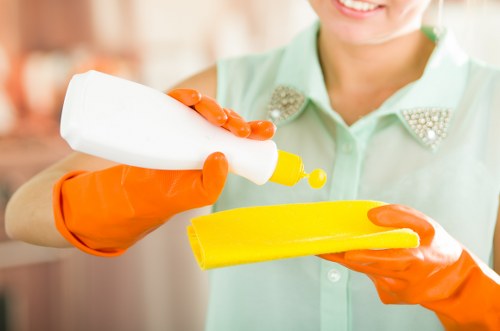
Before starting any sofa cleaning routine, identify the material. Different fabrics react differently to water, cleaning agents, and agitation. Using the wrong method can cause shrinkage, discoloration, water marks, or damage to the cushion fill.
Fabric sofas are common and often comfortable, but they can absorb liquids quickly. Microfiber is generally easier to maintain and can resist staining better than some woven fabrics, though it still benefits from regular cleaning. Leather and faux leather require special care because harsh chemicals can dry out or crack the surface.
Always check the manufacturer’s cleaning code if available. These codes often indicate whether the upholstery can be cleaned with water-based products, solvent-based products, or only professional methods. Knowing the code helps you avoid mistakes and improves the outcome of your sofa cleaning efforts.
Typical Upholstery Cleaning Codes
- W – Water-based cleaners are safe
- S – Use solvent-based cleaners only
- WS – Either water-based or solvent-based cleaners may be used
- X – Vacuuming only; professional care recommended
Step-by-Step Sofa Cleaning for Routine Maintenance
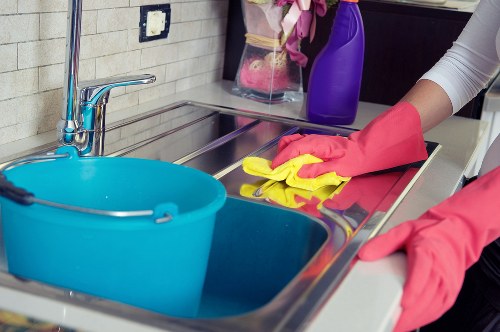
Routine sofa cleaning does not need to be complicated. In fact, a simple system done regularly can keep your couch looking fresh for much longer. Start by removing loose debris with a vacuum using the upholstery attachment. Pay attention to seams, under cushions, and the back of the sofa where dust often collects.
Next, brush the fabric gently if needed to lift embedded particles. This is especially useful for textured materials and homes with pets. After vacuuming, spot-clean any visible marks with a cloth and an appropriate cleaner based on the upholstery type. Always test a small hidden area first before treating the entire stain.
Let the sofa dry completely after cleaning. Proper drying is a major part of effective sofa cleaning because trapped moisture can lead to odors or mold. Open windows, turn on fans, or use ventilation to speed the process. If cushions are removable, rotate them so all sides dry evenly.
Routine Cleaning Checklist
- Vacuum the entire sofa thoroughly
- Remove cushions and clean crevices
- Spot-treat stains carefully
- Allow fabric to dry fully
- Fluff and rotate cushions
Deep Sofa Cleaning Methods That Work
Routine cleaning helps day to day, but deep sofa cleaning is necessary for a more thorough refresh. Depending on the material, a deeper clean may involve steam cleaning, dry cleaning, foam treatment, or professional upholstery extraction. The right method depends on the type of sofa, the level of soiling, and the cleaning code.
Steam cleaning can be useful for some fabric sofas because it uses heat and moisture to loosen dirt. However, it should only be used on upholstery that allows water-based treatment. Over-wetting can be a problem, so controlled application is essential. For delicate fabrics or code-sensitive upholstery, dry cleaning or low-moisture methods may be safer.
Professional sofa cleaning services often use specialized equipment to lift embedded dirt without soaking the fabric. This can be especially helpful for heavily used sofas, large sectionals, or furniture with persistent stains. If a couch has not been cleaned in years, professional treatment may restore it more effectively than a DIY attempt.
When Deep Cleaning Is a Smart Choice
- After frequent spills or accidents
- When odors remain after vacuuming
- If allergens seem to collect in the upholstery
- Before hosting guests or special occasions
- After moving into a new home
How to Remove Common Sofa Stains
Stain removal is one of the biggest reasons people search for sofa cleaning advice. The key is acting quickly, blotting instead of rubbing, and using the right cleaning solution for the material. Rubbing pushes the stain deeper into the fibers and can spread the mark.
For liquid spills, blot the area with a clean microfiber cloth or paper towel to absorb as much as possible. Then apply a small amount of suitable cleaner. For food stains, gently lift any solids before treating the remaining residue. For greasy spots, a fabric-safe degreasing solution may help, but always test first.
Ink, wine, and pet stains often require more patience. Some marks may fade with repeated light treatments rather than one aggressive attempt. If you are unsure, it is better to start with the mildest method and work upward. Careful sofa cleaning protects the fabric while still improving the appearance of the stain.
Helpful Stain Removal Tips
- Blot immediately after a spill
- Use minimal liquid to avoid over-saturating the fabric
- Test products in an inconspicuous area
- Work from the outside of the stain inward
- Dry the area thoroughly after treatment
Sofa Cleaning for Homes with Pets
Pets bring joy, but they also bring fur, dirt, and occasional accidents. That makes sofa cleaning especially important in pet-friendly homes. Pet hair can weave into fabric fibers and cling stubbornly to cushions, while odors may settle into the upholstery if not treated regularly.
A lint roller, rubber brush, or pet hair removal tool can help between vacuuming sessions. If your pet sheds heavily, consider vacuuming the sofa several times a week. For odor management, use upholstery-safe odor neutralizers and maintain a consistent cleaning schedule. A clean sofa not only looks better but also feels more comfortable for everyone in the home.
If accidents happen, act quickly. Remove solids, blot liquids, and use a cleaning solution appropriate for the upholstery type. For older pet stains, a professional sofa cleaning service may be the most effective option because it can target both the stain and the odor source deeper in the fabric.
Pet-Friendly Maintenance Habits
- Brush pets regularly to reduce shedding
- Use washable throws or covers
- Vacuum upholstery often
- Clean accidents immediately
- Air out the room regularly
How Sofa Cleaning Helps Allergy Control
A clean sofa can support better indoor air quality, especially in homes where allergens are a concern. Dust mites, pet dander, pollen, and fine debris can settle into upholstery and become part of the daily environment. Regular sofa cleaning helps reduce this buildup and can make a noticeable difference in comfort.
Vacuuming with a HEPA-filter machine can capture fine particles more effectively. Fabric refresh methods and deep cleaning can further reduce allergens trapped within cushions and seams. For people sensitive to dust or seasonal allergies, this routine may help the living room feel fresher and easier to enjoy.
Of course, sofa cleaning is only one part of a cleaner home. Still, it is an important piece because the sofa is one of the most frequently used surfaces in many households. Keeping it clean supports a healthier indoor environment overall.
Simple Allergen-Reduction Steps
- Vacuum upholstery weekly
- Wash throws and cushion covers regularly
- Keep windows open when weather allows
- Use a high-quality air filter
- Schedule deep cleaning periodically
Best Practices for Different Sofa Types
Not all sofas should be cleaned the same way. Matching the method to the material is the best way to get great results from sofa cleaning. Fabric sofas often benefit from vacuuming, spot cleaning, and occasional deep cleaning. Microfiber can usually handle gentle water-based care if the label allows it.
Leather requires a different approach. It should be dusted regularly and cleaned with leather-safe products that do not strip moisture. After cleaning, a conditioner may help preserve suppleness and prevent cracking. Faux leather is somewhat easier, but it can still be damaged by harsh chemicals or abrasive pads.
Velvet, linen blends, and delicate designer fabrics often need extra caution. These materials can crush, water-spot, or fade if treated incorrectly. In such cases, careful vacuuming and professional sofa cleaning may be the safest and most effective route.
Material-Specific Considerations
- Fabric: Use upholstery-safe cleaners and controlled moisture
- Microfiber: Brush gently and avoid excess liquid
- Leather: Clean with pH-balanced leather products
- Faux leather: Wipe with soft cloths and mild solutions
- Delicate textiles: Use minimal agitation and professional care when needed
How Often Should You Clean a Sofa?
The right sofa cleaning schedule depends on usage, household size, pets, and lifestyle. In a busy home, vacuuming once a week may be ideal. Spot cleaning should happen as soon as a spill occurs. A deeper clean might be needed every six to twelve months, though high-traffic sofas may require more frequent attention.
If the sofa is used mainly for occasional seating, it may stay cleaner longer. However, even lightly used furniture gathers dust over time. That means occasional maintenance is still valuable. Keeping a regular schedule prevents grime from building up and helps the upholstery stay fresh between major cleanings.
A good rule is to clean proactively rather than reactively. Preventive sofa cleaning is easier, less stressful, and usually more effective than trying to restore a heavily soiled couch later.
Suggested Cleaning Frequency
- Weekly vacuuming for most homes
- Immediate spot treatment after spills
- Monthly inspection of seams and cushions
- Deep cleaning every 6–12 months
- More frequent care for pet owners or large families
DIY vs Professional Sofa Cleaning
Some homeowners prefer DIY sofa cleaning because it is convenient and affordable. Vacuuming, mild spot treatment, and basic deodorizing can handle many everyday issues. If the sofa is in good condition and the stains are minor, DIY care may be enough to maintain a clean appearance.
However, professional cleaning offers advantages when problems are deeper or more stubborn. Trained technicians can use specialized extraction methods, stain treatments, and fabric-specific techniques that are difficult to replicate at home. This can be particularly useful for old stains, strong odors, and high-end upholstery.
The best choice often depends on the situation. If you want to preserve your investment and save time, professional sofa cleaning can be a practical solution. For regular upkeep, a steady DIY routine works well and supports long-term results.
DIY Cleaning Works Best When
- Stains are fresh and minor
- The upholstery code allows basic cleaning
- You are maintaining the sofa between deep cleans
- Odors are light and localized
Professional Cleaning Is Better When
- The sofa has deep-set stains
- Odors persist after home treatment
- The material is delicate or expensive
- The couch has not been cleaned for a long time
Keeping Your Sofa Clean Between Deep Cleans
Once your sofa cleaning routine is in place, the next step is keeping the results going. Small habits make a big difference. For example, vacuuming crumbs before they settle into seams can dramatically reduce buildup. Using throws or arm covers in high-use areas can also help protect the upholstery.
It is also helpful to rotate cushions so wear is distributed more evenly. Flipping loose cushions can prevent one side from looking more faded or compressed than the other. If the room gets heavy use, consider setting a simple household rule about food or drinks on the sofa to reduce the risk of spills.
Fresh air, sunlight exposure when appropriate, and regular lint removal can all support a cleaner look. These habits do not replace deep sofa cleaning, but they do make maintenance easier and extend the time between intensive cleanings.
Easy Maintenance Habits
- Vacuum weekly
- Blot spills right away
- Use washable covers on high-contact areas
- Rotate and fluff cushions
- Keep a stain kit nearby
Choosing the Right Cleaning Products
The products you use for sofa cleaning matter as much as the method. Harsh chemicals may remove stains quickly, but they can also damage fabric, fade color, or leave sticky residue. Mild, upholstery-safe products are usually the safest choice for routine care. For leather, use products made specifically for that material.
Many homeowners prefer gentle solutions that are low-odor and easy to rinse or dry. Microfiber cloths, soft brushes, and vacuum attachments are also useful tools. A smart cleaning kit helps you handle spills without scrambling for the wrong product at the wrong time.
When in doubt, check the label and avoid mixing chemicals. Safe, steady sofa cleaning usually produces better long-term results than aggressive spot treatment that risks permanent damage.
Useful Sofa Cleaning Tools
- Upholstery vacuum attachment
- Microfiber cloths
- Soft-bristle brush
- Fabric-safe cleaning solution
- Lint roller or pet hair remover
Final Thoughts on Sofa Cleaning
Good sofa cleaning is really about protection, comfort, and consistency. When you care for your upholstery regularly, your home looks better, smells fresher, and feels more inviting. You also reduce wear, limit allergens, and help your furniture last longer.
Whether you handle maintenance yourself or book professional help for deeper care, a clear routine will always pay off. Start with vacuuming, address stains quickly, and choose cleaning methods that match the sofa material. With the right approach, your couch can stay soft, attractive, and ready for everyday living.
If your sofa is overdue for attention, now is the perfect time to act. Book your service now or contact a trusted upholstery cleaner to restore freshness and protect your investment. Contact us today and make sofa cleaning part of a healthier, cleaner home environment.