Professional Oven Cleaning in Your Home: Fresh Results, Better Cooking, and a Safer Kitchen
Why Oven Cleaning Matters for Every Home
Oven cleaning in your home is one of those tasks that often gets pushed to the bottom of the list, yet it can have a big impact on how your kitchen looks, smells, and functions. A dirty oven is more than just an eyesore. It can affect cooking performance, create smoke during use, and leave behind stubborn grease that becomes harder to remove over time. If you want a cleaner, healthier, and more efficient kitchen, regular oven cleaning should be part of your household routine.
Many people underestimate how quickly grime builds up inside an oven. Spills from roasts, bubbling cheese, baking trays, and sauces can quickly carbonize under high heat. Once that happens, the residue clings to the interior surfaces, heating elements, racks, and glass door. Oven cleaning in a consistent way helps prevent baked-on buildup and keeps the appliance working as it should.
Clean ovens also support better food quality. When grease and burnt debris remain inside the appliance, they can release unpleasant odors and smoke that affect the taste and smell of meals. By staying on top of oven cleaning, you make everyday cooking more enjoyable and reduce the risk of lingering residue transferring onto dishes.
Understanding the Challenges of Oven Cleaning

Oven cleaning can feel intimidating because ovens are designed to withstand intense heat, which means food spills can harden into tough, sticky layers. Unlike wiping a countertop, oven cleaning often involves breaking down carbonized grease, baked-on food, and grease splatter in tight corners and along the oven door. This is why many homeowners delay the task until the buildup is severe.
Another challenge is that every oven is slightly different. Conventional ovens, fan-assisted models, self-cleaning ovens, and range ovens each require a slightly different approach. Some surfaces are delicate and can be damaged by overly abrasive tools or harsh chemicals. For effective oven cleaning in modern kitchens, it is important to know what materials your appliance contains and how to clean them safely.
There is also the issue of time. A quick wipe-down may remove fresh spills, but deep cleaning usually requires soaking, scrubbing, and patience. If you do not clean the oven regularly, the work becomes much harder. That is why a planned approach to oven cleaning saves time in the long run and delivers better results.
Benefits of Regular Oven Cleaning
Regular oven cleaning offers more than visual improvement. It helps reduce smoke, lowers fire risk caused by excess grease, and improves the overall efficiency of the appliance. When air circulates properly and heating elements are not covered in residue, your oven can distribute heat more evenly. That often means better baking, more consistent roasting, and less frustration in the kitchen.
There are also hygiene benefits. Food particles left inside an oven may attract pests or create unpleasant smells, especially in warm environments. With proper oven cleaning, you reduce the chances of odor buildup and keep the cooking area more sanitary. This is especially important in busy homes where the oven is used several times a week.
In addition, regular maintenance can extend the life of your appliance. Grease and debris may cause unnecessary wear on internal components, and a neglected oven may eventually need more repairs. Scheduling routine oven cleaning in a practical way helps protect your investment and keeps the appliance performing reliably over time.
How Often Should You Clean Your Oven?
How often you need oven cleaning depends on how frequently you cook and what kinds of meals you prepare. For households that use the oven several times a week, light cleaning after each use and a deeper clean every one to three months is a sensible approach. If you often roast meats, bake cheesy dishes, or cook foods that splatter, you may need to clean more often.
A good rule is to wipe up spills as soon as the oven cools. Fresh residue is far easier to remove than burnt-on deposits. Even a few minutes of attention after use can reduce the amount of deep oven cleaning needed later. If you notice smoke, bad smells, or visible buildup, it may be time to schedule a full clean sooner than planned.
For occasional cooks, oven cleaning may not need to be as frequent, but it should still be done before grime becomes hardened. Waiting too long makes the task more difficult, and in some cases, the mess can lead to staining that is difficult to reverse.
Safe and Effective Oven Cleaning Methods

There are several methods available for oven cleaning, and the right one depends on the level of dirt, the oven type, and your preference for natural or chemical-based products. Each approach has pros and cons, but all aim to loosen grease and remove residue without damaging the oven interior.
1. Baking Soda and Vinegar Method
This is one of the most popular options for people who prefer a gentler approach to oven cleaning. Baking soda is mildly abrasive and helps loosen stuck-on grime, while vinegar reacts with the baking soda and helps lift residue. A thick paste can be applied to the interior surfaces, left to sit overnight, and then wiped away the next day.
The benefits of this method are that it is affordable, widely available, and suitable for many ovens. However, it may require extra scrubbing if the buildup is heavy. For moderate messes, it can be an excellent choice for effective oven cleaning without strong fumes.
2. Commercial Oven Cleaners
Commercial products are often designed to tackle tough, baked-on grease quickly. They can be useful for intensive oven cleaning when the appliance has not been maintained regularly. These cleaners typically work faster than natural solutions and are often effective on stubborn carbonized spots.
Still, caution is important. Some commercial cleaners contain strong chemicals that require proper ventilation and protective gloves. Always follow the label instructions and avoid spraying on sensitive components. When used carefully, they can make oven cleaning more manageable and save a significant amount of effort.
3. Steam Cleaning
Steam cleaning is another option for loosening grime and reducing the amount of manual scrubbing needed. In some ovens, steam can be created by placing water in a heat-safe tray and heating it at a low temperature. The steam softens residue, making it easier to wipe away afterward.
This method is often appreciated because it minimizes harsh chemicals and helps soften dirt before deep oven cleaning begins. It is not always enough for severe buildup, but it can be a practical maintenance technique for regular care.
4. Self-Cleaning Function
Many modern ovens come with a self-cleaning cycle that uses extremely high heat to burn residue into ash. After the cycle ends and the oven cools, the ash can be wiped away. This sounds convenient, but it is important to understand the drawbacks. The process can produce strong odors and high temperatures, and some ovens may require special care before activating the cycle.
Self-cleaning can be useful for periodic maintenance, but it is not always the best option for every household. If you have concerns about heat, odor, or the age of your appliance, you may prefer manual oven cleaning instead.
Step-by-Step Approach to Oven Cleaning
Whether you are handling the task yourself or preparing for professional service, following a simple process makes oven cleaning more effective. Start by removing racks, trays, and any loose debris. These parts often collect grease and can usually be cleaned separately in a sink or tub.
Next, inspect the interior and identify problem areas. Heavy spots near the bottom, back wall, and oven door typically need extra attention. Apply your chosen cleaning solution and let it sit long enough to loosen the grime. This resting period is important because it reduces the amount of scrubbing required.
After the solution has worked, use a soft sponge, cloth, or non-scratch pad to wipe away residue. Repeat as needed for stubborn areas. Finish by drying all surfaces thoroughly before reassembling the oven. Careful oven cleaning in this step-by-step way usually produces the best results with less effort.
Tools and Supplies That Help With Oven Cleaning
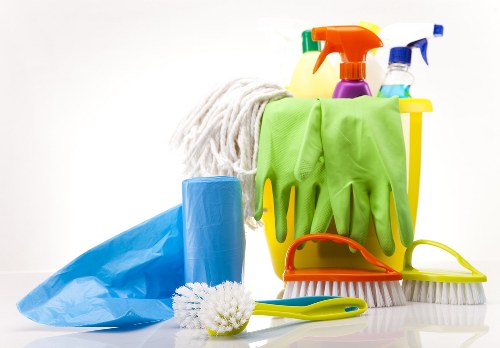
Having the right tools ready makes oven cleaning smoother and more efficient. A few basic supplies can make a big difference when tackling grease and stubborn marks.
- Non-scratch sponges
- Microfiber cloths
- Rubber gloves
- Baking soda
- White vinegar
- Plastic or silicone scraper
- Spray bottle
- Warm water
- Small brush for corners and edges
These tools are useful whether you are performing light upkeep or a deeper oven cleaning session. Using non-abrasive materials is especially important because metal scrubbers can scratch enamel surfaces and damage the oven door.
It is also helpful to keep paper towels or reusable cleaning cloths nearby for final drying. Proper drying prevents streaks and leaves your oven looking polished after the work is done.
Common Mistakes to Avoid During Oven Cleaning
Even with the best intentions, some mistakes can make oven cleaning less effective or even damage the appliance. One common issue is using overly harsh abrasives. These can scratch the interior coating and leave permanent marks. Another mistake is applying too much liquid, which may seep into electrical parts or create unnecessary mess.
People also sometimes forget to remove racks and accessories before cleaning. This can prevent the solution from reaching all the surfaces and makes the job more difficult overall. Likewise, cleaning without enough ventilation can lead to discomfort if strong products are used.
One more mistake is rushing the process. Oven cleaning often requires time for solutions to loosen grime. If you wipe too soon, you may end up scrubbing harder than necessary. Patience and preparation are key to a better outcome.
When Professional Oven Cleaning Makes Sense
There are times when professional oven cleaning is the smartest option. If the oven has heavy grease buildup, strong odors, burnt-on carbon, or visible smoke when heated, a professional service may restore it more efficiently. This is especially useful for homeowners with busy schedules or those who want to avoid the hassle of scrubbing for hours.
Professionals typically use specialized products and tools that are designed to clean thoroughly while protecting the appliance. They can reach difficult areas, handle stubborn deposits, and leave the oven looking refreshed. For many households, professional oven cleaning in a regular maintenance plan is the best way to keep the kitchen in top shape.
It is also a good choice if you are unsure about the material or condition of your oven. Older appliances, delicate finishes, and self-cleaning models can require extra care. A trained cleaner can assess the situation and choose the most suitable approach.
How Oven Cleaning Improves Cooking Performance
A clean oven does more than look impressive. It can improve your cooking results in subtle but important ways. Heat distributes more evenly when air passages, walls, and trays are free from heavy residue. That means food is more likely to bake consistently, with fewer hot spots or uneven browning.
Clean oven glass also helps you monitor food without opening the door repeatedly. When the window is coated in grease, it is harder to see what is happening inside, which can lead to overcooking or unnecessary door openings. Oven cleaning helps restore visibility and makes cooking more convenient.
There is also a comfort factor. When an oven is clean, it smells fresher and creates less smoke. This is especially noticeable during high-heat cooking. Better performance and better air quality are two strong reasons to prioritize oven cleaning in any busy kitchen.
Oven Cleaning Tips for Busy Households
If your schedule is full, keeping up with oven cleaning may seem difficult. The good news is that small habits can make a big difference. Wiping spills while the oven is still warm but safe to touch can prevent buildup. Lining baking trays with foil or using oven-safe mats may also help catch drips before they harden.
Another useful habit is to check the oven after cooking messy dishes. If you see grease splatters or food debris, deal with them early rather than waiting for a monthly deep clean. Small maintenance steps add up over time and reduce the need for intensive work later.
You can also create a simple schedule. For example:
- Weekly: quick wipe of visible spills
- Monthly: inspect racks, door glass, and corners
- Quarterly: deeper oven cleaning session
By sticking to a routine, oven cleaning becomes much more manageable and less overwhelming.
Natural Ways to Keep the Oven Fresher for Longer
Keeping an oven fresh between deep cleans is easier when you use preventative habits. Covering dishes that are likely to bubble or splatter can help reduce mess. Checking food periodically can also prevent overflow. If a casserole or pie is likely to spill, place it on a lined tray to catch drips.
It is also helpful to ventilate the kitchen while cooking. Good airflow can reduce lingering smells and make the environment more pleasant. After cooking, wait for the oven to cool and then wipe down the interior if safe to do so.
Preventive care is one of the best forms of oven cleaning. The less buildup you allow to form, the easier future cleaning sessions will be.
Why Oven Cleaning Supports a Healthier Kitchen
A clean oven contributes to a healthier kitchen environment by reducing grease accumulation and stale odors. Although the oven is a closed appliance, grime can still affect the surrounding space. When it smokes or smells during use, those particles can spread throughout the home. Regular oven cleaning helps reduce that problem.
Hygiene matters as well. Food residue left inside an oven may become a breeding ground for bacteria or attract insects if the appliance is not used often. By maintaining cleanliness, you keep the cooking area safer and more pleasant for daily use.
In homes where meals are prepared frequently, oven cleaning is not just a cosmetic task. It is part of maintaining an orderly and efficient kitchen. Fresh appliances support better habits and make cooking more enjoyable for everyone.
Choosing the Right Oven Cleaning Approach for Your Home
The best oven cleaning method depends on your priorities. If you want a gentle, affordable solution, baking soda and vinegar may be ideal. If you need fast results for heavy buildup, a commercial cleaner or professional service might be better. If your oven has a self-cleaning mode, it can be useful for periodic maintenance, though it should be used with care.
Think about how often you cook, the condition of the oven, and how much time you want to spend on the task. Some households benefit from a quick monthly refresh, while others need a deeper quarterly clean. There is no single perfect method, but there is always a practical option that fits your routine.
The key is consistency. Once oven cleaning becomes part of your normal kitchen care, the task feels much less stressful. Regular attention produces better results than occasional heavy scrubbing, and it helps protect both your appliance and your time.
Final Thoughts on Oven Cleaning
Oven cleaning is one of the simplest ways to improve the appearance, hygiene, and performance of your kitchen. Whether you choose natural methods, commercial products, steam, or professional help, the goal is the same: remove grease, prevent buildup, and keep the appliance working properly.
By making oven cleaning a routine rather than an emergency chore, you save time, reduce odors, and enjoy better cooking results. The process does not have to be difficult when approached with the right tools and habits. Even small efforts can create a noticeable difference.
If your oven is due for attention, now is the perfect time to act. Contact us today to take the first step toward a cleaner, fresher kitchen, or book your service now and enjoy the benefits of a spotless oven.