Communal Area Cleaning: Creating Safer, Fresher, and More Welcoming Shared Spaces
Communal area cleaning plays a vital role in maintaining shared spaces that people use every day. Whether it is an apartment block, office building, school, retail complex, or residential estate, the condition of common areas shapes first impressions, supports hygiene, and helps people feel comfortable. A clean shared environment is not just about appearances; it also contributes to safety, wellbeing, and the long-term upkeep of the property.
When communal area cleaning is done well, residents, visitors, staff, and customers notice the difference immediately. Stairwells smell fresher, lobbies look brighter, hallways feel more inviting, and high-touch surfaces are less likely to spread germs. For property managers and building owners, routine shared-area cleaning can reduce complaints, protect surfaces, and improve the value of the premises over time.
In many buildings, communal spaces are the busiest parts of the property. People pass through them constantly, bringing in dust, mud, litter, fingerprints, and everyday wear. That is why professional communal area cleaning is so important. It keeps these spaces looking presentable while also supporting health and safety. If you want a cleaner, more polished environment, book your service now and make communal cleanliness a priority.
Why Communal Area Cleaning Matters
Communal area cleaning is essential because shared spaces are used by many people throughout the day. Unlike private rooms or individual offices, these areas receive constant foot traffic and are exposed to dirt from multiple sources. Regular cleaning helps control the spread of bacteria, removes debris, and creates a sense of order in the building.
A well-maintained common area also supports property reputation. Residents are more likely to feel proud of where they live, and visitors are more likely to view the building positively. In commercial spaces, neat lobbies and clean corridors can improve customer confidence and reinforce a professional image. Clean communal areas send a clear message that the property is cared for.
Another major benefit of communal area cleaning is preventative maintenance. Dust, grime, and spills can damage flooring, walls, fixtures, and handrails if left untreated. Routine upkeep helps extend the lifespan of finishes and reduces the need for costly repairs or replacements. Consistent cleaning protects your investment while keeping the environment comfortable for everyone.
What Is Included in Communal Area Cleaning?
Communal area cleaning can cover a wide range of tasks depending on the property type, traffic levels, and specific requirements. In most buildings, it includes the regular cleaning of shared areas such as entrances, hallways, staircases, lifts, reception areas, and washrooms. The aim is to keep all visible and high-contact spaces hygienic, tidy, and presentable.
Common tasks often include sweeping, vacuuming, mopping, dusting, disinfecting high-touch points, removing litter, polishing fixtures, and checking for hazards. In some cases, cleaning teams may also handle bin emptying, glass cleaning, cobweb removal, and spot-cleaning marks from walls or doors. This type of shared space cleaning is usually tailored to the building's layout and usage patterns.
For larger buildings, communal area cleaning may also involve scheduled deep cleaning, floor treatment, carpet maintenance, and periodic sanitisation of handrails, intercoms, and entrance doors. A good cleaning plan is flexible and detailed, ensuring every shared surface gets the right level of care. This helps maintain a consistently high standard across the entire property.
Key Areas That Need Regular Attention
Some communal areas require more attention than others because they are used frequently or are particularly prone to dirt. Entrances are often the first point of contact, so they need careful cleaning to remove footprints, dust, and outdoor debris. Hallways also collect marks and dust quickly, especially in busy residential blocks or office buildings.
Stairwells are another important focus. They are often overlooked, yet they can accumulate dirt, litter, and cobwebs very quickly. Lift interiors, buttons, and door handles need frequent disinfecting because they are touched by many people throughout the day. High-touch point cleaning is a critical part of keeping shared spaces healthier.
Other areas that should not be ignored include reception desks, communal kitchens, shared washrooms, mail areas, and bin stores. Even outdoor shared spaces such as covered walkways, entry mats, and loading zones can benefit from regular maintenance. The more attention these zones receive, the more professional and welcoming the property becomes.
Benefits of Professional Communal Area Cleaning
Choosing professional communal area cleaning offers several advantages over irregular or ad hoc cleaning. Trained cleaners understand how to work efficiently, use the right products, and follow a structured routine that leaves no important area overlooked. This is especially valuable in larger properties where cleaning needs can be complex.
One benefit is consistency. A professional service follows a schedule, uses checklists, and maintains standards across all shared areas. This ensures that cleaning does not depend on whether someone remembers to do it or has time available. Regularity is one of the strongest advantages of communal area cleaning, because it keeps the environment stable and reliable.
Another benefit is improved hygiene. Professional cleaners use suitable disinfectants and techniques to reduce germs on surfaces that many people touch. This is particularly important in seasons when viruses and bacteria spread more easily. Clean communal spaces can support healthier routines and help reduce the risk of contamination across the building.
Professional services can also be more cost-effective in the long run. By preventing wear, reducing damage, and lowering the chance of complaints or maintenance issues, communal area cleaning supports smoother property management. Efficiency, hygiene, and presentation all improve when the task is handled properly.
How Often Should Communal Area Cleaning Be Done?
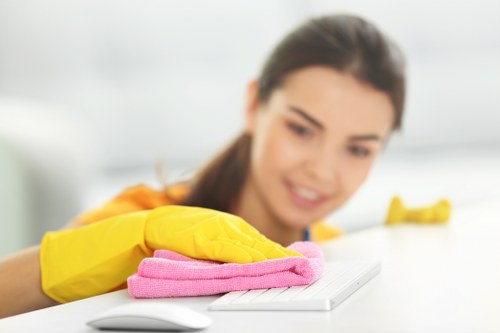
The frequency of communal area cleaning depends on the size of the property, the number of occupants, and how heavily the space is used. High-traffic buildings may need daily cleaning, while smaller developments may only require several visits per week. The right schedule should reflect actual usage rather than a one-size-fits-all approach.
For example, entrance halls, lifts, and staircases in apartment buildings often need daily attention because they collect dirt and fingerprints rapidly. Office foyers, meeting areas, and communal kitchens may also require frequent cleaning to maintain a professional standard. In some settings, bins may need to be emptied every day to control odours and keep the environment pleasant.
Weekly or fortnightly tasks may include deep dusting, polishing, and more detailed floor care. Periodic tasks can include high-level cobweb removal, wall washing, and full sanitising of overlooked surfaces. A well-designed communal area cleaning schedule balances daily maintenance with periodic deep cleaning to keep everything in top condition.
Common Challenges in Communal Area Cleaning
Communal area cleaning can be more challenging than cleaning private spaces because so many people use the same surfaces. Dirt arrives from different sources, and the space may need to stay clean all day even when traffic is constant. This makes planning, timing, and attention to detail especially important.
One challenge is keeping up with high footfall. As people enter and exit the building, they bring in mud, water, litter, and dust. In bad weather, this can increase dramatically. Another challenge is handling high-touch surfaces that are used repeatedly throughout the day. Lift buttons, railings, and door handles require frequent disinfection to stay hygienic.
There is also the issue of resident or tenant expectations. In many buildings, people notice even small signs of neglect. A missed bin, a smudge on glass, or a dusty corner can quickly become a concern. That is why a reliable shared area cleaning routine matters so much: it helps avoid visible lapses and keeps standards steady.
How to Overcome These Challenges
The best way to overcome these challenges is with a structured cleaning plan. That plan should specify what gets cleaned, how often, and by whom. It should also identify the busiest zones and prioritise them accordingly. With a proper routine, communal area cleaning becomes more manageable and more effective.
Using the right products and equipment also makes a big difference. Microfibre cloths, professional vacuums, floor-safe detergents, and suitable disinfectants all improve cleaning quality. In addition, staff should be trained to notice problems early, such as leaks, loose mats, or damaged fixtures, so issues can be reported before they become bigger concerns.
Practical Methods That Improve Results
Some practical methods include zone-based cleaning, rota scheduling, and task checklists. Zone-based cleaning ensures each section of the building gets the right level of care. Rota scheduling helps prevent missed visits. Checklists support accountability and keep standards uniform from one shift to the next. These methods help make communal area cleaning more reliable and efficient.
Small Details That Make a Big Difference
Small touches often create the biggest improvement in how a shared space feels. Clean entry mats, polished handrails, streak-free glass, and fresh-smelling corridors all contribute to a more pleasant atmosphere. Even when the task is routine, the result should feel noticeable and reassuring. That is what makes well-executed communal area cleaning so valuable.
Best Practices for Effective Communal Area Cleaning
To achieve excellent results, communal area cleaning should follow best practices that combine consistency, hygiene, and attention to detail. The first step is creating a clear schedule that suits the building's needs. This schedule should define the frequency of each task and leave room for seasonal changes or special events.
Another best practice is prioritising high-traffic and high-touch areas. These surfaces should receive the most frequent attention because they affect both appearance and hygiene. Cleaning teams should also work from cleaner areas to dirtier ones to avoid spreading contamination. This simple approach improves efficiency and reduces cross-contamination risks.
Communication is also important. Property managers, residents, and cleaning staff should all understand what is expected. If a spill occurs, for instance, there should be a clear process for reporting and addressing it quickly. When everyone knows the plan, communal area cleaning becomes smoother and more effective.
- Use a detailed checklist for every shift
- Focus on entrances, lifts, stairwells, and other busy areas
- Disinfect high-touch surfaces regularly
- Adjust the schedule based on traffic and season
- Inspect results and correct issues quickly
In addition, cleaners should always use products that are suitable for the surfaces being treated. Harsh chemicals can damage flooring or finishes, while the wrong cloths can leave streaks or scratches. Professional expertise helps avoid these mistakes and keeps communal spaces looking their best. Safe product selection matters as much as the cleaning itself.
Communal Area Cleaning for Different Property Types
Not all properties have the same communal area cleaning needs. Residential buildings often require a mix of appearance-focused and hygiene-focused tasks. Tenants expect neat lobbies, clean staircases, and tidy refuse areas. In shared housing or apartment blocks, noise levels and cleaning times may also need to be considered so residents are not disturbed.
Commercial buildings, on the other hand, may focus more on professional presentation and health compliance. Office entrances, lifts, kitchens, and washrooms should always look clean and organised. Business clients and staff are more likely to feel confident in a workplace that is well cared for. Regular communal area cleaning supports a productive, polished environment.
Schools, healthcare facilities, and mixed-use developments may require even more specialised care. These environments often need stricter hygiene standards, more frequent disinfection, and closer attention to safety. The cleaning plan should always reflect the purpose of the building and the people who use it.
Residential Communal Areas
In residential settings, communal area cleaning often includes entryways, hallways, lifts, staircases, bin rooms, and letterbox areas. These spaces need to feel clean and secure because they are part of residents' daily routines. A tidy shared space can also help reduce conflicts and improve the overall sense of community.
Commercial Shared Spaces
Commercial spaces often need more frequent cleaning during the working day. Lobbies, meeting areas, restrooms, and kitchenettes can all see heavy use. The goal is to maintain a professional appearance while also reducing hygiene risks. A well-managed service helps employees and visitors feel comfortable from the moment they arrive.
Eco-Friendly Approaches to Communal Area Cleaning
Many property managers now prefer environmentally responsible cleaning methods. Eco-friendly communal area cleaning uses products and practices that reduce environmental impact without compromising quality. This may include low-toxicity detergents, concentrated solutions, reusable cloths, and water-efficient cleaning techniques.
There are also practical benefits to greener cleaning. Many eco-conscious products are gentler on surfaces and can improve indoor air quality when used properly. This is particularly useful in shared spaces where people spend long periods of time. A cleaner environment should also be a healthier one, and sustainable cleaning practices help achieve that balance.
Waste reduction is another important part of environmentally responsible cleaning. Using refill systems, reducing disposable materials, and emptying bins efficiently can all support a more sustainable approach. Eco-friendly communal area cleaning is a smart choice for modern buildings that want to care for both people and the planet.
Choosing the Right Communal Area Cleaning Service
When selecting a provider, it is important to look for experience, reliability, and flexibility. The best communal area cleaning service will understand the unique demands of shared spaces and offer a schedule that suits the building. They should also be able to adapt when traffic levels change or special issues arise.
It is helpful to ask about training, cleaning methods, and quality control. A professional provider should have clear processes in place, along with a strong focus on safety and hygiene. They should also be transparent about what is included in their service so expectations remain clear. Trustworthy communal area cleaning depends on clear standards and consistent delivery.
Look for a service that pays attention to detail and values communication. Even though this article does not include contact details, the right provider should make it easy to arrange visits, update schedules, and respond to changing needs. If you are ready to improve the condition of your shared spaces, contact us today and take the next step toward a cleaner property.
Maintaining Long-Term Standards in Shared Spaces
Communal area cleaning should not be treated as a one-off task. To maintain high standards, the building needs ongoing attention, periodic review, and clear responsibility. Regular inspections can help identify missed spots, recurring problems, or areas where the cleaning schedule may need improvement.
It is also useful to combine cleaning with preventative measures. Entry mats can reduce dirt entering the building, signage can encourage proper bin use, and repairs can stop leaks or damage from making cleaning harder. When cleaning and maintenance work together, communal spaces stay cleaner for longer.
Long-term success depends on a mindset of care. Shared areas reflect the way a building is managed, and people notice when they are properly looked after. Investing in communal area cleaning is really an investment in comfort, safety, and pride of place. Better upkeep creates better experiences for everyone who uses the property.
Final Thoughts on Communal Area Cleaning
Communal area cleaning is more than just routine tidying. It is a key part of maintaining hygiene, safety, and a positive impression in any shared property. From residential blocks to office buildings, common spaces need regular care to stay clean, welcoming, and functional.
By focusing on high-traffic areas, setting a clear schedule, and using professional methods, property managers can protect surfaces, reduce complaints, and make the environment more enjoyable. The benefits are clear: better presentation, improved hygiene, and fewer long-term maintenance issues. That is why consistent communal area cleaning should be a priority in every well-managed building.
If you want your shared spaces to look better and feel better every day, do not wait until problems build up. Book your service now and make communal area cleaning part of your property’s regular care routine.