Regular Cleaning in Every Space: Why It Matters and How to Do It Right
Regular cleaning is one of the simplest ways to protect a space, improve comfort, and support long-term hygiene. Whether the setting is a home, office, retail store, clinic, or shared facility, regular cleaning helps prevent dirt buildup, reduce allergens, and create a more welcoming environment. Many people think of cleaning as a quick visual fix, but in reality, consistent upkeep plays a much bigger role in health, safety, and the overall value of a property.
In busy modern life, it is easy to postpone cleaning tasks until dust, clutter, and stains become impossible to ignore. However, regular cleaning in any environment is far more effective than occasional deep cleaning alone. Small, repeated efforts save time, lower stress, and reduce the need for intensive restoration later. For property owners, managers, tenants, and business operators, maintaining a clean environment also sends a clear message of professionalism and care.
From everyday wipe-downs to scheduled maintenance, the right cleaning routine can transform how a space looks and feels. Regular cleaning services, structured habits, and smart cleaning systems all contribute to healthier indoor environments and better long-term results.
Why Regular Cleaning in Daily Life Matters
Regular cleaning is not only about appearance. It directly affects air quality, sanitation, and the lifespan of surfaces, fixtures, and furnishings. Dust, grease, moisture, and grime build up slowly, often in places people do not notice at first. When left untouched, these contaminants can lead to stubborn stains, odors, and even damage that becomes expensive to repair.
In homes, regular cleaning in living spaces can help reduce allergens such as dust mites, pet dander, and pollen. In workplaces, routine upkeep supports productivity by creating an organized, pleasant atmosphere. In commercial environments, cleanliness influences customer trust and can affect whether people choose to return. This is why cleaning should be treated as a necessary part of maintenance rather than an occasional chore.
Another major advantage is consistency. When cleaning happens on a regular schedule, the workload becomes easier to manage. Instead of spending hours trying to recover a neglected area, individuals and teams can handle smaller tasks in less time. Routine cleaning also helps establish habits that make every space easier to maintain over weeks and months.
Health Benefits of Regular Cleaning in Homes and Workspaces
One of the strongest reasons people invest time in regular cleaning is health. Clean environments reduce exposure to germs, bacteria, mold, and allergens that can affect breathing, digestion, and skin health. High-touch areas like handles, switches, desks, counters, and shared equipment can quickly become hotspots for contamination if they are not wiped down regularly.
For households, regular cleaning in kitchens and bathrooms is especially important. These are areas where moisture and organic residue can encourage bacteria growth. In bedrooms and living rooms, vacuuming, dusting, and laundering soft furnishings can improve comfort and reduce irritation for people with asthma or allergies. A cleaner home often means fewer sneezing episodes, less congestion, and better overall wellbeing.
In office settings, regular cleaning services can lower the spread of seasonal illnesses and promote a more hygienic workspace. Shared desks, conference tables, break rooms, and restrooms all require attention because many people use them throughout the day. When these spaces are cleaned frequently, employees may feel more comfortable and supported, which can contribute to better morale and attendance.
Common health-focused cleaning tasks
- Disinfecting high-touch surfaces
- Vacuuming carpets and rugs
- Cleaning sinks, toilets, and countertops
- Removing food spills quickly
- Washing bedding, towels, and reusable cloths
- Improving ventilation and reducing dust accumulation
These actions may seem small, but they have a meaningful impact when done consistently. Regular cleaning in health-sensitive spaces is not optional; it is a practical way to support safety and comfort for everyone who uses the environment.
How Regular Cleaning Supports Property Value and Longevity
Another reason regular cleaning is so important is that it helps preserve the condition of surfaces and materials. Floors, grout, upholstery, paint, appliances, and fixtures all last longer when they are maintained properly. Dirt and debris may seem harmless, but over time they can scratch surfaces, stain fabrics, clog drains, and dull finishes.
For homeowners and landlords, regular cleaning in rental properties can make a major difference in occupancy satisfaction and retention. A well-kept property feels more attractive, and tenants are often more likely to respect a space that is already clean. For business owners, regular upkeep protects brand image and helps prevent the premature replacement of furniture, carpets, and equipment.
Cleaning also supports inspections and repairs. Technicians can identify leaks, cracks, mold spots, and wear patterns more easily when spaces are not cluttered or dirty. In this way, routine cleaning can help catch minor issues before they become major repairs. That means fewer surprises, lower costs, and better long-term planning.
Areas where regular cleaning protects materials
- Floors: less abrasion, fewer stains, and reduced surface damage
- Upholstery: less dirt buildup and longer fabric life
- Countertops: fewer scratches and less residue
- Appliances: improved performance and easier maintenance
- Bathrooms: less limescale, soap scum, and mold growth
When property care is viewed through this lens, regular cleaning services become an investment rather than an expense. The earlier issues are addressed, the easier they are to manage.
Building a Practical Regular Cleaning Routine

A successful cleaning routine does not need to be complicated. In fact, the best systems are often simple, repeatable, and tailored to the space being maintained. The key is to divide tasks into daily, weekly, and monthly categories so that no area is ignored for too long. This structure makes regular cleaning more realistic and sustainable.
Daily tasks should focus on visible clutter and high-use surfaces. Weekly tasks can target deeper dusting, vacuuming, and bathroom care. Monthly tasks often include appliance cleaning, window care, and attention to hidden spots that are easy to overlook. When these tasks are scheduled properly, the space remains tidy without requiring constant effort.
For businesses, a written checklist can be especially useful. It helps teams stay organized, ensures accountability, and prevents tasks from being missed during busy periods. In homes, a family cleaning calendar can distribute responsibilities fairly and keep everyone involved. Regular cleaning in shared environments works best when expectations are clear.
Example cleaning schedule
- Daily: wipe surfaces, take out trash, wash dishes, and spot-clean spills
- Weekly: vacuum, mop, sanitize bathrooms, and dust furniture
- Biweekly: clean mirrors, baseboards, and high-touch zones
- Monthly: deep clean appliances, windows, vents, and behind furniture
- Seasonally: rotate cushions, declutter storage, and inspect problem areas
Consistency is the real secret. Even a simple routine can make a large difference when maintained over time. That is why many people find that regular cleaning services or structured cleaning support helps them stay on track.
Regular Cleaning in Kitchens, Bathrooms, and High-Traffic Areas
Some spaces need more frequent attention than others. Kitchens, bathrooms, entryways, hallways, and shared common areas are high-traffic zones where dirt and bacteria accumulate quickly. These areas often require a more detailed and disciplined approach to cleaning because they are used so often and are more likely to harbor moisture, odors, and spills.
In kitchens, regular cleaning should focus on countertops, sinks, stovetops, cabinet handles, and floors. Food residue can attract pests and create unpleasant smells if it is not removed promptly. In bathrooms, toilets, showers, sinks, and tiles should be cleaned often to keep soap scum, limescale, and mold under control. Entryways and hallways need sweeping and vacuuming because they collect outdoor dirt and debris.
High-traffic areas in offices or commercial buildings need the same level of attention. Reception spaces, waiting rooms, break rooms, and corridors are constantly used by staff, visitors, and clients. Regular cleaning in these spaces supports both hygiene and presentation, which matters for anyone who wants to maintain a positive first impression.
High-priority zones to clean more often
- Kitchen counters and appliance handles
- Bathroom sinks, taps, and toilet areas
- Door handles and light switches
- Reception desks and shared seating
- Floors near entrances and exits
- Break room tables and microwaves
These zones deserve extra care because they influence how safe and pleasant the space feels. By focusing on them first, you create a strong foundation for overall cleanliness and reduce the spread of grime throughout the property.
Tools, Products, and Techniques That Improve Regular Cleaning
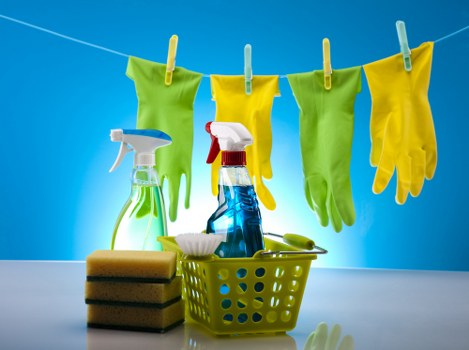
Effective cleaning is easier when the right tools are available. Microfiber cloths, quality mops, vacuum cleaners, sponges, scrub brushes, and disinfectants all play important roles in maintaining a clean environment. Choosing suitable products for each surface helps avoid damage while improving results. For example, delicate finishes may need gentle solutions, while bathrooms may benefit from stronger disinfecting agents.
Using the correct technique is just as important as using the correct supplies. Wiping from top to bottom prevents dust from falling onto already cleaned surfaces. Cleaning one room at a time improves efficiency and helps maintain focus. Allowing disinfectants to sit for the recommended contact time increases effectiveness. These simple habits make regular cleaning services and DIY routines more efficient.
It is also helpful to keep supplies organized in one easy-to-access location. When tools are scattered or missing, people are less likely to clean consistently. A well-stocked cleaning kit makes the process faster and less frustrating. Regular cleaning in any environment becomes much more manageable when everything needed is ready to use.
Useful cleaning supplies to keep on hand
- Microfiber cloths and dusters
- All-purpose cleaner
- Bathroom disinfectant
- Glass cleaner
- Vacuum cleaner with attachments
- Mop and bucket
- Rubber gloves
- Trash bags and storage containers
How Regular Cleaning Improves Productivity and Comfort
Clean spaces are easier to use, easier to enjoy, and easier to focus in. Clutter and dirt create mental noise that can affect concentration and motivation. In offices, regular cleaning can support employee productivity by making work areas feel orderly and professional. In homes, it can reduce tension and help everyone feel more relaxed.
Comfort also improves when a space smells fresh and looks cared for. People are naturally more inclined to spend time in environments that feel clean, bright, and organized. That is one reason regular cleaning in homes, schools, and commercial spaces has such broad appeal. It influences mood in subtle but meaningful ways.
There is also a social aspect. Guests, clients, and visitors notice cleanliness immediately. A polished environment suggests attention to detail and respect for others. Whether the goal is to host friends, serve customers, or support a team, regular cleaning helps create a positive impression before a single word is spoken.
Common Mistakes People Make with Regular Cleaning
Even well-intentioned cleaning efforts can fall short if the routine is inconsistent or poorly planned. One common mistake is focusing only on visible surfaces while ignoring hidden buildup behind furniture, under appliances, or around vents. Another issue is using the wrong products, which can leave residue, damage materials, or reduce cleaning effectiveness.
Skipping schedules is another problem. If tasks are postponed repeatedly, dirt becomes much harder to remove. People may also forget to replace cleaning tools, such as worn-out mop heads or dirty cloths, which can spread contamination rather than eliminate it. Regular cleaning services avoid many of these issues because they follow structured procedures and quality standards.
To improve results, keep routines realistic. It is better to maintain a manageable plan than to create an overly ambitious one that cannot be sustained. Regular cleaning in any setting should feel consistent, not overwhelming. A balanced system is more likely to succeed over the long term.
Common errors to avoid
- Waiting too long between cleaning sessions
- Ignoring hidden or hard-to-reach spaces
- Using unsuitable cleaning products
- Forgetting to disinfect high-touch surfaces
- Neglecting cleaning tools and supplies
- Trying to do everything at once instead of following a routine
When to Consider Professional Help for Regular Cleaning
Many people can handle basic cleaning tasks on their own, but there are situations where professional support is helpful or necessary. Large properties, busy households, commercial environments, and spaces with specialized sanitation needs often benefit from expert assistance. Professional cleaners bring experience, efficient methods, and the right tools to handle tasks thoroughly.
If a space is being used heavily or if cleaning standards must remain consistently high, outsourcing part of the workload can save time and improve results. This is especially true for offices, clinics, rental units, hospitality properties, and retail locations. Regular cleaning services can help maintain a dependable standard while allowing staff or residents to focus on their main responsibilities.
Professional help can also be useful after events, during seasonal refreshes, or when a property has fallen behind on maintenance. In these situations, a trained team can restore order faster and establish a more sustainable routine going forward. For many property owners, the decision to book your service now is a practical step toward long-term cleanliness and peace of mind.
Long-Term Results of Regular Cleaning in Any Environment
The benefits of cleaning regularly extend far beyond a neat appearance. Over time, consistency improves hygiene, supports maintenance, protects property value, and makes every space easier to manage. Whether the setting is residential or commercial, a reliable cleaning routine reduces stress and creates a healthier atmosphere.
Regular care also builds momentum. Once a space is kept clean consistently, it becomes easier to stay organized and respond to new messes quickly. Instead of letting dirt accumulate, people can address issues as they appear. This proactive approach is one of the strongest advantages of regular cleaning, especially in places where many people gather or work.
Ultimately, a clean environment reflects discipline, pride, and care. It makes daily life smoother, protects the things people rely on, and creates conditions where everyone can feel more comfortable. That is why regular cleaning in homes, businesses, and shared properties should be seen as an essential habit rather than a temporary task.
Key takeaways
- Regular cleaning improves hygiene and indoor comfort
- It helps protect surfaces, fixtures, and furnishings
- It supports productivity and better first impressions
- It reduces the need for time-consuming deep cleaning
- It makes spaces more pleasant, safe, and manageable
If you want a cleaner, healthier, and more welcoming space, do not wait until problems build up. Contact us today to explore practical solutions, or book your service now to make regular cleaning part of your routine. Consistency is the key to lasting results, and the sooner you begin, the easier it becomes to maintain a spotless environment.