Move Out Cleaning: A Practical, SEO-Friendly Approach to a Stress-Free Relocation
Move out cleaning is one of the most important parts of preparing a home for handover, whether you are ending a lease, selling a property, or simply leaving a space in better condition than you found it. A well-executed move out cleaning routine can help protect your deposit, improve your final inspection results, and make the transition smoother for everyone involved. For many people, moving is already overwhelming, so having a clear plan for move out cleaning can save time, reduce stress, and prevent last-minute surprises.
Unlike routine tidying, move out cleaning focuses on the areas that landlords, property managers, buyers, and final inspectors usually examine most closely. That means attention to detail matters. From skirting boards and light switches to oven interiors and bathroom grout, move out cleaning is about restoring a property to a presentable, hygienic condition. It is not just about looking clean; it is about meeting expectations and leaving the place ready for its next occupant.
In this article, we will explore the essential tasks, room-by-room priorities, common mistakes, useful tools, and time-saving strategies that make move out cleaning more effective. Whether you plan to do it yourself or hire professionals, understanding the process can help you approach it with confidence and achieve better results.
Why Move Out Cleaning Matters
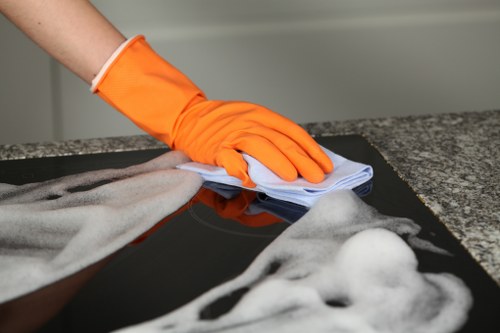
Move out cleaning plays a major role in the final condition of a property. If you are renting, your landlord or property manager will likely inspect the premises before releasing your deposit. If you are selling, buyers may notice overlooked dirt during the final walkthrough, which can affect their impression of the home. In both situations, move out cleaning supports a positive outcome and reduces the risk of complaints.
Another reason move out cleaning matters is hygiene. When a home has been lived in for months or years, dirt accumulates in hidden places. Grease can build up behind appliances, dust settles on top of cabinets, and bathrooms can develop stubborn stains. A thorough clean removes these issues and helps the space feel refreshed for the next person. It is a practical step that makes a real difference.
Many tenants also find that move out cleaning is part of being a responsible occupant. Leaving a property in good condition demonstrates respect for the space and the next resident. It can also reduce disputes and keep the moving process more organized. If you want the final stage of your move to go smoothly, move out cleaning should be treated as a priority rather than an afterthought.
What Is Included in Move Out Cleaning?

Move out cleaning usually goes far beyond normal weekly cleaning. The goal is to handle accumulated dirt, stubborn marks, and overlooked areas throughout the entire property. The exact expectations may vary depending on your lease agreement, sale contract, or landlord instructions, but most move out cleaning checklists include a wide range of tasks.
A typical move out cleaning service or DIY plan may include vacuuming, mopping, dusting, wiping surfaces, cleaning bathroom fixtures, degreasing kitchen appliances, and removing cobwebs. Windows, baseboards, doors, vents, and shelves often need more attention than they would during everyday cleaning. Every room deserves a full top-to-bottom review.
Some spaces require extra care, especially kitchens and bathrooms. These rooms are more likely to show signs of wear, such as soap scum, limescale, food residue, and grease. A strong move out cleaning strategy focuses on these problem areas while also making sure closets, drawers, and storage spaces are empty and cleaned properly.
Key Differences Between Regular Cleaning and Move Out Cleaning
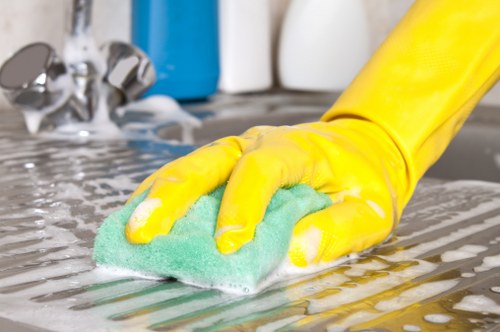
Regular cleaning is usually about maintenance. It keeps a home tidy and manageable on a daily or weekly basis. Move out cleaning, on the other hand, is about deep restoration. It involves a more detailed process that targets hidden grime, neglected corners, and residue left behind by everyday living.
For example, regular cleaning might include wiping counters and vacuuming floors, while move out cleaning may also require cleaning the inside of cupboards, scrubbing tile grout, washing trim, and cleaning around fixtures. This deeper level of effort is why move out cleaning often takes longer and feels more demanding than normal household upkeep.
Understanding this difference helps set realistic expectations. If you are preparing for an inspection or move-out deadline, you should plan enough time to complete the deeper tasks. Rushing move out cleaning usually leads to missed spots, and those small issues can become noticeable during a final check.
Room-by-Room Move Out Cleaning Checklist
A structured checklist makes move out cleaning easier to manage. Breaking the work into rooms prevents you from feeling overwhelmed and helps you track progress more effectively. Below is a practical room-by-room approach that can be adapted to apartments, houses, and townhomes.
Kitchen Cleaning Priorities

The kitchen is often the most labor-intensive part of move out cleaning because it collects grease, crumbs, and sticky residue. Start by removing everything from cupboards, drawers, and countertops. Then clean the inside and outside of all storage areas, paying attention to corners and shelf edges where dust and debris gather.
Appliances deserve special attention. The oven, stovetop, range hood, microwave, refrigerator, and dishwasher can all hold visible buildup. Wipe exterior surfaces, remove food residue, and clean seals, handles, and control panels. If an appliance was used heavily, it may need a second pass.
Do not forget the sink, faucet, splashback, and floors. Kitchen floors often have sticky spots or hidden crumbs around kickboards and under appliances. A full move out cleaning approach should include sweeping, vacuuming, and mopping after all surfaces are wiped.
Bathroom Cleaning Priorities
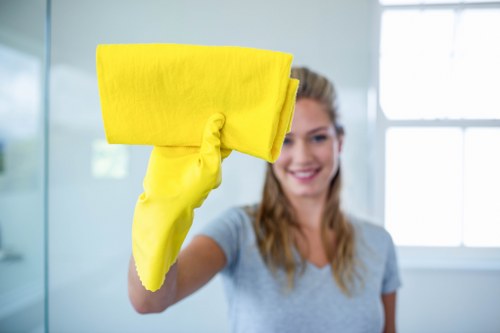
Bathrooms can be challenging because soap scum, mildew, toothpaste residue, and water stains build up quickly. Move out cleaning in the bathroom should include sinks, toilets, tubs, showers, mirrors, tiles, and fixtures. Pay special attention to grout lines, drain covers, and the area around taps and shower screens.
Use suitable cleaning products for different surfaces to avoid damage. For example, a limescale remover can help with taps and showerheads, while a gentle disinfectant works well on countertops and toilet areas. The goal is to leave the bathroom clean, fresh, and free from visible buildup.
Also check behind the toilet, around the base of the sink, and underneath cabinets if applicable. These overlooked spots can collect dust and grime, and they are often part of a final inspection. A strong move out cleaning routine makes sure the bathroom is not just surface-clean but properly refreshed.
Living Room and Bedroom Cleaning Priorities
Living rooms and bedrooms may seem simpler to clean, but they still require careful attention during move out cleaning. Dust often collects on skirting boards, window frames, shelves, vents, and ceiling corners. Vacuum carpets thoroughly, including edges and under furniture if possible. If the property has hard flooring, sweep and mop with the right cleaner for the surface.
Closets and wardrobes should be emptied and wiped clean. Check for nails, hooks, or adhesive residue left behind by wall décor. Clean light switches, door handles, and interior doors, which can show fingerprints and smudges. These small details create a strong overall impression.
Windows can also make a difference, especially if natural light reveals dust or streaks. Wipe glass, clean sills, and remove cobwebs from corners. When these rooms are completed properly, the entire home feels more polished and ready for handover.
Hallways, Entryways, and Storage Areas
Hallways and entryways are often walked through many times, which means they can collect scuffs, dust, and marks. During move out cleaning, inspect walls, baseboards, and floors carefully. Entry doors and surrounding frames should be wiped down, and mats or runners should be vacuumed or cleaned if they remain with the property.
Storage spaces like utility closets, linen cupboards, and built-in shelving should not be overlooked. These areas may seem minor, but inspectors often check them. Make sure they are empty, dust-free, and free from loose debris. A clean storage space signals a thorough exit.
If the property has stairs, clean each step, banister, and corner. Dust and dirt often settle along the edges, so a careful vacuum and wipe-down can make a noticeable difference. In larger homes, this area can take time, but it is well worth the effort.
Essential Supplies for Move Out Cleaning
Having the right tools on hand makes move out cleaning much more efficient. Before you begin, gather basic supplies so you do not waste time searching for products midway through the job. A well-prepared kit can help you move through each room more smoothly and with less frustration.
- Microfiber cloths for dusting and wiping
- All-purpose cleaner for general surfaces
- Bathroom disinfectant and limescale remover
- Degreaser for kitchen surfaces
- Vacuum cleaner with attachments
- Mop and bucket
- Sponge scrubbers and non-scratch pads
- Glass cleaner for mirrors and windows
- Rubber gloves for protection
- Trash bags for leftover debris
Depending on the property, you may also need specialty products such as carpet stain remover, stainless steel polish, or wood-safe cleaner. Choosing the right product for each surface is important because incorrect chemicals can cause damage. Always read labels and test on a small area first if needed.
Good tools also save energy. A quality vacuum with attachments helps you reach corners and edges, while microfiber cloths trap dust effectively rather than just moving it around. Investing in the right equipment can make move out cleaning faster and more reliable.
Step-by-Step Move Out Cleaning Process
Following a step-by-step process can make move out cleaning feel more manageable. Instead of cleaning randomly, work in a logical order from top to bottom and from the back of the property toward the exit. This prevents you from re-cleaning areas after dust falls or dirt is disturbed.
- Remove all personal items from the property.
- Dispose of trash and unwanted items.
- Dust ceilings, shelves, vents, and high surfaces first.
- Clean walls, doors, switches, and trim.
- Focus on kitchen and bathroom deep cleaning.
- Vacuum carpets and clean hard floors.
- Wipe mirrors, glass, and reflective surfaces.
- Check storage spaces, cupboards, and closets.
- Do a final walkthrough to catch missed spots.
This sequence is effective because it follows gravity and logic. Dust and debris fall downward, so cleaning the top areas first prevents extra work later. A methodical approach is especially useful for larger properties or homes with multiple bathrooms. Order makes move out cleaning far less stressful.
After each room is complete, take a quick photo if needed for your records. This can be useful in rental situations where you may need to show the condition of the property after cleaning. A final walkthrough should always be part of the process before returning keys or handing over the space.
Common Mistakes to Avoid During Move Out Cleaning
Even with good intentions, people often make avoidable mistakes during move out cleaning. One of the most common errors is focusing only on visible areas. While surfaces may look tidy at first glance, hidden grime in corners, behind appliances, or inside cabinets can still lead to problems during inspection.
Another mistake is leaving the job too late. Move out cleaning takes more time than many people expect, especially if the home has not been deeply cleaned recently. Starting at the last minute can cause rushed work, missed details, and unnecessary stress. Planning ahead is always the better choice.
Using the wrong cleaning products is another issue. Harsh chemicals can damage surfaces, and some cleaners are not suitable for natural stone, wood, or delicate fixtures. Always match the cleaner to the material. If you are unsure, check manufacturer recommendations or use a gentle, multi-surface product where appropriate.
Other Mistakes That Can Affect Results
- Forgetting inside cupboards and drawers
- Ignoring light fittings and ceiling corners
- Not cleaning behind or under appliances
- Leaving marks on walls or doors
- Overlooking vents, fans, and filters
- Skipping final floor detailing after dusting
By avoiding these mistakes, you can make your move out cleaning more effective and reduce the chance of complications. Small oversights may seem minor, but they can stand out when the property is being closely inspected.
DIY Move Out Cleaning vs Professional Service
Many people debate whether to handle move out cleaning themselves or hire professionals. The right option depends on your budget, time, property size, and cleaning expectations. A DIY approach can be cost-effective if you have the time and the right supplies. It also gives you full control over the process.
However, professional move out cleaning can be a smart choice if you are short on time or dealing with a heavily used property. Professionals often bring specialized equipment, experience, and a more efficient system. They know which areas are commonly inspected and how to handle tough buildup. This can be especially helpful before a tight deadline.
When deciding, consider the value of your time and the level of cleaning required. If the property needs deep oven cleaning, carpet stain treatment, or detailed bathroom work, hiring help may be worth it. If you prefer to do it yourself, create a realistic plan and start early. Either way, the main goal is the same: a clean, presentable space that is ready to hand over.
How to Make Move Out Cleaning Faster and Easier
Efficiency matters when you are balancing packing, transport, paperwork, and final arrangements. The good news is that move out cleaning becomes easier when you use the right strategy. Start by decluttering everything first. A space that is free of boxes, bags, and belongings is much easier to clean properly.
Work room by room rather than jumping between tasks. This helps you stay focused and gives you visible progress, which can be motivating. Set a timer if needed and divide the work into smaller segments. Short, focused sessions often work better than a single exhausting cleaning marathon.
If possible, ask others to help. One person can focus on dusting while another handles floors or bathrooms. In a family home or shared rental, teamwork can save hours. Even if you are working alone, organizing your tasks in advance makes the process much more efficient.
Simple Time-Saving Tips
- Clean from top to bottom
- Use multi-surface products when appropriate
- Let cleaning products sit on tough stains before scrubbing
- Pack and clean one room at a time
- Keep tools in a caddy for easy movement
- Vacuum before mopping to avoid spreading debris
These small habits can save significant time and reduce frustration during move out cleaning. A faster process is not just more convenient; it also helps you maintain quality and avoid mistakes caused by exhaustion.
Move Out Cleaning for Renters, Homeowners, and Sellers
Move out cleaning is important for different reasons depending on your situation. Renters are usually concerned about deposit returns and lease requirements. In this case, the cleaning standard may be clearly defined in the rental agreement. Meeting those expectations can help prevent deductions and disputes.
Homeowners who are moving out may want the property to look appealing for sale or for the next occupants. A clean home often feels more cared for and can leave a better final impression. This is especially true if buyers or agents are viewing the home after furniture has been removed. Clean spaces photograph and present better.
Sellers may also use move out cleaning as part of preparing for the final handover. Even if the home has already been sold, presenting it in excellent condition reflects well on the seller and can help close the move on a positive note. Different situations, same principle: move out cleaning matters.
Final Inspection Tips Before You Leave
The final inspection is your chance to catch anything that may have been missed. Before leaving, walk through the property slowly and look at it as if you were the next person to use it. Check every room in good lighting and pay attention to corners, edges, and hidden surfaces.
Look for fingerprints on doors, dust on shelves, marks on walls, and debris in closets. Open cupboards and drawers to confirm they are empty and clean. Test light switches, check windows, and make sure all floors have been vacuumed or mopped as needed. Small details often determine how complete the cleaning feels.
If you are handing over keys, make sure the property is fully ready before that point. It is much easier to fix a missed spot while you still have access than after the handover. A careful final inspection protects your effort and helps ensure the move out cleaning meets expectations.
Why Move Out Cleaning Can Improve the Entire Moving Experience
Although it may seem like just one more task on an already long to-do list, move out cleaning can actually improve the entire moving experience. A clean property feels more organized, and completing it gives you a sense of closure. It also helps you transition mentally from one home to the next.
There is also a practical benefit. When move out cleaning is done properly, you reduce the likelihood of return visits, complaints, or deposit issues. That means fewer delays and less back-and-forth after the move. This saves energy during a time when you need it most.
Most importantly, a good cleaning job leaves the property in a respectable condition. Whether the next resident is a tenant, buyer, or family member, they will appreciate a clean start. That is one of the most satisfying outcomes of move out cleaning.
Conclusion: A Cleaner Exit Starts With a Solid Plan
Move out cleaning is more than a simple chore. It is an essential part of leaving a property properly and making the transition as smooth as possible. By using a room-by-room plan, gathering the right supplies, avoiding common mistakes, and focusing on the details that matter, you can achieve a result that looks and feels thorough.
Whether you tackle the job yourself or choose professional support, the key is preparation. Start early, clean systematically, and give extra attention to kitchens, bathrooms, storage areas, and final inspection points. A thoughtful move out cleaning routine can save time, reduce stress, and support a better final outcome.
If you are preparing to move soon, take the next step now. Contact us today or book your service now to make move out cleaning easier, faster, and more reliable for your property handover.