Office Cleaning in Modern Workspaces: Creating Healthier, Cleaner, and More Productive Environments
Office cleaning is more than a routine task; it is a core part of maintaining a healthy, professional, and productive workplace. In every business setting, cleanliness influences employee morale, client impressions, hygiene standards, and even daily workflow. Whether you manage a small startup, a large corporate office, or a shared coworking space, investing in office cleaning can make a measurable difference.
Today’s businesses understand that a clean office supports better concentration, reduces the spread of germs, and helps create a more organized atmosphere. From desks and meeting rooms to restrooms and reception areas, office cleaning plays a role in how people experience your brand. It is not just about appearance; it is about comfort, safety, and efficiency.
With more attention on wellness, indoor air quality, and workplace hygiene, office cleaning has become an essential service for businesses of all sizes. Many organizations now choose professional office cleaning services to maintain consistent standards and reduce the burden on staff. As a result, office cleaning is increasingly seen as a strategic investment rather than a simple maintenance cost.
Why Office Cleaning Matters for Every Business
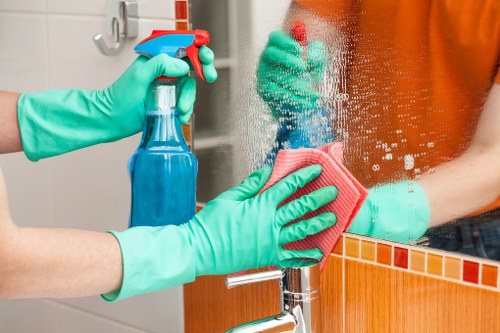
Office cleaning matters because the workplace is one of the most frequently used environments in any organization. Employees spend hours at desks, in conference rooms, in kitchens, and in common areas. Without regular office cleaning, dust, dirt, bacteria, and clutter can build up quickly. This affects not only the look of the space but also the health and productivity of everyone inside.
A well-cleaned office also creates a strong first impression. Clients, partners, and potential hires often notice the condition of the workspace immediately. A polished, tidy office communicates professionalism, attention to detail, and respect for both employees and visitors. In contrast, a neglected workspace may suggest poor management or low standards.
Clean offices support business performance. Employees are more likely to stay focused and motivated in a fresh, sanitary environment. Reduced dust and allergens can also help lower sick days and improve overall well-being. For these reasons, office cleaning is not optional for businesses that value consistency and growth.
The Core Elements of Office Cleaning
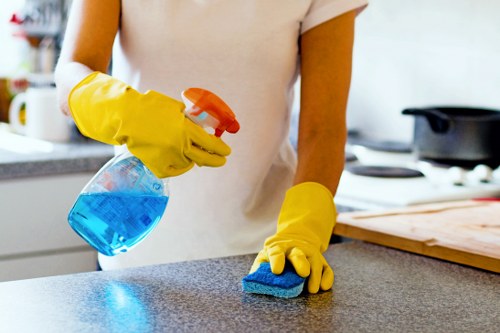
Effective office cleaning covers much more than emptying trash bins and wiping down surfaces. A quality office cleaning routine involves several key tasks that keep the workplace safe and presentable. These tasks often include dusting, vacuuming, sanitizing touchpoints, cleaning floors, disinfecting restrooms, and maintaining communal areas.
Each part of the office has different cleaning needs. For example, workstations require attention to keyboards, monitors, phones, and desk surfaces, while break rooms need special focus on appliances, counters, and shared equipment. Reception areas must remain spotless because they shape the visitor experience. Professional office cleaning services typically design their approach around these differences.
Consistency is the real advantage of structured office cleaning. When tasks are completed on a regular schedule, the office stays cleaner for longer and unexpected buildup is less likely. This makes day-to-day operations smoother and helps businesses maintain a welcoming environment at all times.
High-Traffic Areas That Need Extra Attention
Some zones in the workplace require more frequent office cleaning because they are touched or used constantly. High-traffic areas can become hotspots for grime and germs if they are not maintained properly. These include lobbies, hallways, elevators, shared desks, conference rooms, kitchens, and restrooms.
Door handles, light switches, elevator buttons, railings, and shared devices should be part of every office cleaning checklist. These surfaces are often overlooked but can carry a high volume of contaminants. A detailed cleaning plan helps reduce risks and keeps common spaces looking sharp.
Businesses that prioritize office cleaning in high-traffic zones often see the benefits quickly. Surfaces stay cleaner longer, odors are reduced, and the entire office feels more pleasant. This makes it easier for employees to move through the day comfortably and confidently.
Professional Office Cleaning vs. In-House Cleaning

Many businesses debate whether to handle office cleaning internally or outsource it to professionals. Both options have merit, but they offer very different outcomes. In-house cleaning may work for very small operations, but professional office cleaning services usually provide greater consistency, expertise, and efficiency.
Professional cleaners bring specialized equipment, products, and processes to the job. They understand how to clean different surfaces safely, how to sanitize effectively, and how to maintain quality in busy office settings. They can also work after hours or on customized schedules to minimize disruption.
Outsourcing office cleaning often saves time and improves results. Instead of assigning employees to cleaning tasks, businesses can keep staff focused on core responsibilities. This approach is especially useful for growing organizations that want a dependable and scalable cleaning solution.
Benefits of Professional Office Cleaning
- Consistent cleaning standards
- Access to trained cleaners and modern equipment
- Flexible scheduling options
- Reduced burden on employees
- Better sanitation and hygiene outcomes
How Office Cleaning Improves Employee Productivity
Clean workplaces help people think clearly and work more efficiently. Office cleaning removes distractions such as clutter, dust, and unpleasant odors, all of which can affect concentration. When desks are organized and common areas are well maintained, employees can move through their tasks with less mental friction.
There is also a psychological benefit to office cleaning. People generally feel better in bright, tidy environments. A fresh office can reduce stress and create a sense of calm, which supports better collaboration and stronger morale. Employees tend to respect a workspace more when it is maintained properly.
In addition, office cleaning supports healthier attendance. By reducing the spread of germs on shared surfaces, businesses can help limit the number of illness-related absences. This can have a direct impact on productivity and team continuity. Fewer disruptions mean projects stay on track and departments can function more smoothly.
Clean Spaces Encourage Better Habits
When office cleaning is consistent, employees are more likely to keep their own areas tidy. Clean surroundings encourage responsible habits such as putting items away, wiping down surfaces, and disposing of waste properly. Over time, this creates a stronger workplace culture centered on respect and organization.
Key Areas Included in a Thorough Office Cleaning Plan

A well-designed office cleaning plan should cover every major part of the workplace. No two offices are exactly the same, but most locations benefit from a structured routine that includes the following areas:
Reception and Waiting Areas
These areas are the face of the business and should always appear clean and inviting. Office cleaning in reception zones typically includes dusting furniture, vacuuming carpets, wiping down tables, and keeping glass surfaces polished.
Workstations and Private Offices
Desks, monitors, chairs, and shelving collect dust quickly. Office cleaning here focuses on sanitizing high-touch areas, removing clutter, and keeping floors clean without disturbing equipment or documents.
Meeting Rooms
Conference spaces require special attention because they are often used for presentations and important discussions. Office cleaning should include tables, chairs, screens, whiteboards, and any shared equipment.
Restrooms
Restroom sanitation is one of the most important parts of office cleaning. These spaces need frequent disinfecting, odor control, restocking, and deep cleaning to maintain hygiene and user comfort.
Break Rooms and Kitchens
Shared food areas can become messy fast. Office cleaning should address sinks, counters, microwaves, fridges, tables, and floors. Keeping these areas clean also helps reduce pests and unpleasant smells.
Office Cleaning Schedules That Work
A successful office cleaning strategy depends on schedule as much as technique. Different offices require different cleaning frequencies based on foot traffic, industry type, office size, and number of employees. A small office may need cleaning a few times per week, while a large enterprise setting may require daily or even multiple cleaning sessions.
Many businesses choose a combination of daily tasks and periodic deep cleaning. Daily office cleaning usually covers trash removal, restroom sanitization, dusting, and surface wiping. Weekly or monthly services may include carpet care, window cleaning, deep disinfection, or floor polishing.
Routine office cleaning keeps standards high and prevents bigger problems later. When cleaning is postponed, dirt becomes harder to remove and maintenance costs can rise. A reliable schedule helps protect flooring, furniture, and fixtures while preserving the overall appearance of the office.
Sample Office Cleaning Frequency
- Daily: restrooms, trash, desks, common touchpoints
- Weekly: floors, dusting, kitchen appliances, glass surfaces
- Monthly: deep carpet cleaning, upholstery care, detailed sanitation
- Quarterly: windows, vents, hard-to-reach areas, full deep clean
Eco-Friendly Office Cleaning and Sustainability
Modern office cleaning is increasingly aligned with sustainability goals. Many businesses want cleaner workplaces without unnecessary environmental impact. Eco-friendly office cleaning uses products and methods that reduce harsh chemicals, improve indoor air quality, and support responsible resource use.
Green office cleaning may include biodegradable products, microfiber materials, low-water cleaning techniques, and efficient waste management practices. These choices can be especially valuable in offices with sensitive employees, frequent visitors, or strong corporate wellness priorities. Eco-conscious office cleaning also reflects well on a company’s brand values.
Choosing sustainable office cleaning solutions does not mean compromising results. In many cases, the right products and methods produce excellent sanitation while minimizing exposure to irritants. This makes green cleaning a practical and forward-thinking option for many workplaces.
Benefits of Eco-Friendly Cleaning
- Reduced chemical exposure
- Better indoor air quality
- Lower environmental impact
- Safer cleaning for shared spaces
- Positive brand reputation
What to Look for in an Office Cleaning Service
Choosing the right office cleaning provider is important because the quality of service affects your entire workplace. Not all cleaning teams use the same processes, products, or standards. A dependable provider should be able to adapt to your office layout, business hours, and hygiene requirements.
Look for a company that offers flexible office cleaning packages, clear service checklists, and experienced staff. It also helps to choose a team that understands privacy, professionalism, and security in office environments. Reliable communication and quality control are equally important.
The best office cleaning providers tailor their work to your business. They should be able to address special requests, change schedules when needed, and maintain consistent quality over time. When selecting a service, pay attention to responsiveness, attention to detail, and the ability to deliver reliable results.
Questions to Ask Before Hiring
- What does your office cleaning checklist include?
- How do you handle high-touch disinfection?
- Can services be customized for our schedule?
- Do you use eco-friendly cleaning products?
- How is quality monitored over time?
Office Cleaning Tips for Maintaining a Better Workplace
Even when you use professional office cleaning services, daily habits still matter. Small actions taken by employees and managers can help preserve cleanliness between scheduled visits. These habits reduce clutter, support hygiene, and make professional cleaning more effective.
One helpful practice is to keep personal workspaces organized. Employees can store items neatly, avoid leaving food at desks, and wipe up small spills promptly. Shared spaces should also have clear rules for cleaning up after use. This creates a better experience for everyone.
Office cleaning works best when everyone contributes. A clean workplace becomes easier to maintain when the whole team respects shared standards. Businesses that build these habits often find that their offices stay cleaner, look better, and function more efficiently.
Simple Maintenance Practices
- Clear desks at the end of each day
- Dispose of trash properly
- Sanitize shared equipment regularly
- Report spills and maintenance issues quickly
- Keep kitchen and break areas tidy
The Long-Term Business Value of Office Cleaning
Office cleaning is a long-term investment in workplace quality, not just a short-term fix. Over time, regular cleaning helps preserve carpets, floors, furniture, and equipment. This can reduce replacement costs and extend the life of office assets. In a business setting, that kind of protection matters.
There is also value in reputation. Clients and employees notice when a workplace is consistently clean. It builds trust, supports professionalism, and reinforces your company’s standards. A clean office can even influence hiring and retention, as people naturally prefer to work in environments that feel cared for.
For companies seeking a practical way to improve operations, office cleaning delivers broad benefits. It supports health, efficiency, organization, and morale while also improving how the business is perceived. If your office environment is important to your success, cleaning should be too.
Why Businesses Keep Investing in Office Cleaning
- It improves workplace hygiene
- It creates a better customer experience
- It supports employee productivity
- It protects office assets
- It strengthens brand image
Final Thoughts on Office Cleaning
Office cleaning is essential for businesses that want to maintain a healthy, attractive, and high-performing workspace. It affects everything from employee satisfaction to client impressions, and its benefits extend far beyond surface appearance. When done well, office cleaning supports a cleaner culture, smoother operations, and a more professional environment.
Whether you need daily maintenance, periodic deep cleaning, or a customized sanitation plan, the right approach can make your office more comfortable and efficient. Professional office cleaning services offer the consistency and expertise that busy organizations often need. At the same time, smart workplace habits help preserve results between visits.
Now is the right time to prioritize office cleaning as part of your business strategy. A cleaner workplace is a better workplace, and the value shows up in productivity, wellness, and presentation every day.
Contact us today to improve your workplace standards, or book your service now to keep your office looking its best.