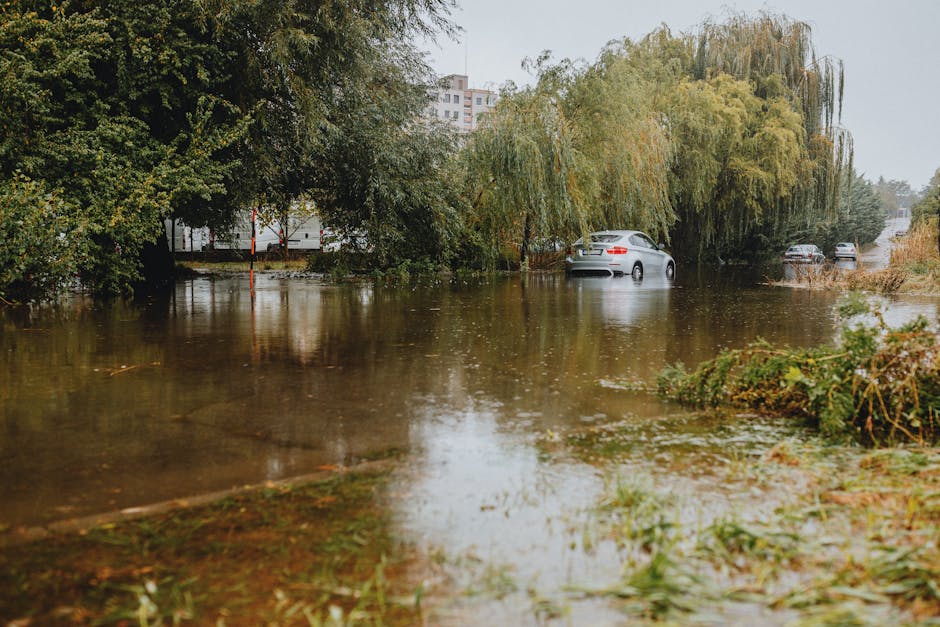
What to know about emergency cleaning after flat floods in SW1
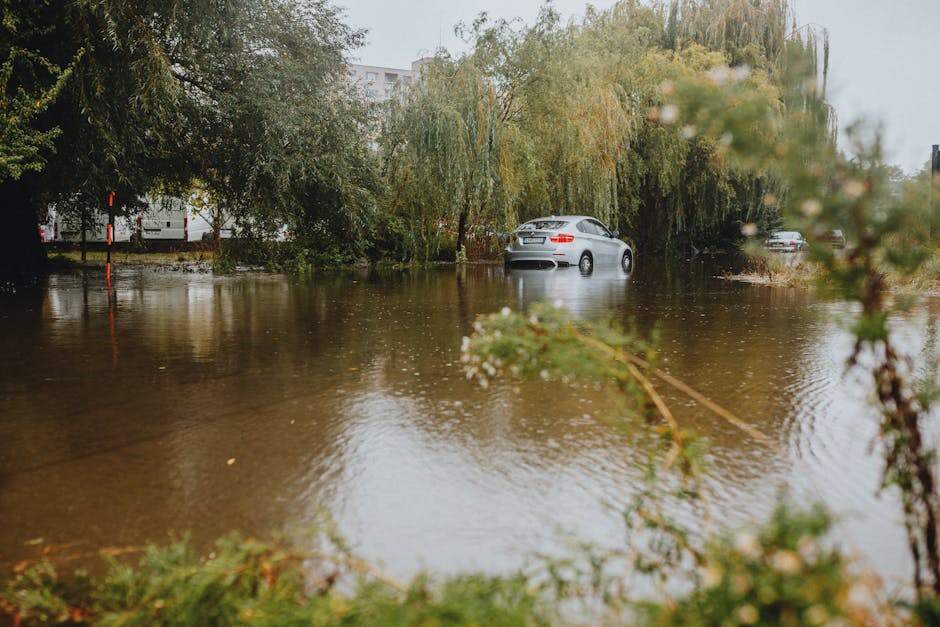
If your flat in SW1 has flooded, the first feeling is usually not panic in the dramatic sense, but that horrible, sinking pause: water underfoot, damp creeping up the skirting, and no clear idea what to do first. That is exactly where emergency cleaning after flat floods in SW1 becomes more than a tidy-up. It is about limiting damage fast, reducing smell and mould risk, and getting the home safe enough to live in again.
Whether the flood came from a burst pipe, an overflowing bath, a leaking appliance, or water pushing in from elsewhere in the building, the next few hours matter. Truth be told, many flat floods in central London turn into much bigger headaches because people wait too long, clean the wrong way, or assume the carpet will just dry out on its own. It rarely does. In this guide, you will get a clear, practical breakdown of what emergency cleaning involves, what to do immediately, what to avoid, and how to judge whether you need specialist help.
There is a lot to think about, but let's keep it simple. You need safety first, then moisture removal, then proper cleaning, then drying and monitoring. Miss one of those steps and the whole thing can come back to bite you later. A bit annoying, yes, but fixable.
Before we get into the detail, here is the quick map.
- Why emergency cleaning matters after a flat flood
- How the emergency cleaning process works
- Key benefits and practical advantages
- Who needs this service and when it makes sense
- Step-by-step guidance
- Expert tips for better results
- Common mistakes to avoid
- Tools, resources and recommendations
- Law, compliance, standards, or best practice
- Options, methods, or comparison table
- Case study or real-world example
- Practical checklist
- Conclusion
- Frequently asked questions
Why What to know about emergency cleaning after flat floods in SW1 Matters
Flooding in a flat is different from flooding in a house. In SW1, where many homes are in converted period buildings, mansion blocks, terraces, or managed apartments, water often travels in sneaky ways. It can move through floorboards, under carpets, into shared walls, or down to the flat below before you even see the full extent of it. That is why fast emergency cleaning matters so much here.
The biggest risk is not always the visible puddle. It is the hidden moisture. Underlay, insulation, timber joists, grout lines, cabinet bases, and the backs of furniture can all stay damp long after the surface looks fine. Then comes the musty smell. Then discolouration. Then mould. Once that starts, what should have been a few hours of urgent cleaning turns into days of drying, sometimes longer, and sometimes with repair work too.
In shared buildings, there is also the neighbour factor. A leak from your flat can affect the one below, or a problem above can spill into yours. So the job is part cleaning, part damage control, part communication. Not glamorous, but very real.
Emergency cleaning also matters because it helps preserve salvageable items. A wet rug, sofa, or mattress does not always need replacing immediately, but it does need prompt assessment and the right treatment. If you leave things in place and hope for the best, you may lock in odour and bacteria. That is the kind of mistake people regret later, usually after a wet smell appears on a perfectly normal Tuesday morning.
Expert takeaway: After a flat flood, speed beats perfection. Remove standing water, protect electrical safety, start drying early, and clean in a way that matches the source of the water.
How What to know about emergency cleaning after flat floods in SW1 Works
Emergency flood cleaning is not just mopping and opening a window. It is a sequence of actions designed to reduce damage and make the flat safe. The exact order depends on the source of the water, how long it has been present, and what materials have been affected. A bathroom overflow is one thing. Wastewater backing up from a drain is another. The cleaning approach should reflect that difference.
1. Make the area safe
The first step is to stop the risk from getting worse. If there is any chance that water has reached sockets, appliances, or exposed wiring, do not keep walking around casually with wet shoes and a hopeful attitude. Switch off electricity to affected areas if it is safe to do so, and avoid using anything plugged in near the flood. If in doubt, treat it as unsafe.
2. Identify the source
Is the water clean, grey, or contaminated? Clean water from a pipe leak is easier to manage than water from a washing machine waste hose or a backed-up drain. The source affects everything: cleaning products, sanitising needs, what can be saved, and whether soft furnishings should be removed at once.
3. Remove water and moisture
This is the practical heart of the job. Standing water is extracted first. Then damp surfaces are treated, and absorbent materials are assessed. Carpet, underlay, and upholstery may need different handling depending on saturation. In many cases, the trick is not just drying the visible surface but dealing with what is trapped underneath.
4. Clean and sanitise
Once the water is out, affected surfaces are cleaned using appropriate methods for the material and contamination level. Hard floors may need a thorough wash-down and disinfection. Soft furnishings may need specialist treatment. If the flood water was not clean, sanitising becomes much more important. This is the stage where a quick tidy-up can still save the room, but only if done properly.
5. Dry and monitor
Drying is not a one-hour job. In real life, the room may need ventilation, dehumidification, and repeat checks. Walls, floors, and hidden voids often hold moisture longer than expected. A flat can look fine and still be damp inside. That is why monitoring is part of the process, not an optional extra.
A good emergency cleaning response is calm and methodical. You do not need a grand plan. You need the right sequence, carried out quickly. Simple as that.
Key Benefits and Practical Advantages
Done properly, emergency flood cleaning gives you more than a clean-looking room. It protects the home, your belongings, and your time. In a place like SW1, where many flats are tightly packed and building materials vary a lot, those benefits matter even more.
- Less secondary damage: The earlier water is removed, the less chance it has to spread into walls, flooring, or neighbouring rooms.
- Lower mould risk: Fast drying and proper cleaning reduce the damp conditions mould likes.
- Better chance of saving items: Furniture, rugs, and some flooring can often be recovered if handled quickly.
- Reduced odour: Damp smells get stubborn fast. Proper cleaning addresses the source, not just the surface.
- Safer living conditions: Removing contamination and hidden moisture helps make the space safe again.
- Less disruption: Good emergency cleaning can prevent a temporary issue from turning into a long repair job.
There is also a quieter advantage: peace of mind. When the water is gone and the room has been properly treated, you can breathe again. That sounds obvious, but after a flood, calm counts.
For landlords, tenants, and property managers, there is another practical benefit too: evidence. Clear cleaning records, photos, and quick action can help when discussing responsibility, insurance, or next steps. That paperwork part is not exciting, I know, but it matters.
Who This Is For and When It Makes Sense
Emergency cleaning after a flat flood is for anyone dealing with immediate water damage, but the exact level of help needed depends on the situation. Some people can handle a small leak themselves. Others need specialist support within hours.
You should strongly consider emergency cleaning if:
- water has pooled on floors or soaked into carpets
- the leak has been present for more than a short time
- there is a smell already developing
- you suspect contamination from drains, toilets, or appliances
- the flood has affected furniture, mattresses, or upholstered items
- the flat is part of a managed block and water may have spread to adjoining areas
- you cannot properly dry the room using normal household means
It also makes sense when you are time-poor. Let's face it, most people are not standing around on a Tuesday afternoon with a spare dehumidifier and a stack of clean towels. If you are juggling work, family, or tenants, the fastest route is often the safest route.
For tenants, it is sensible to report the issue promptly to the landlord or managing agent and document what you can. For landlords, quick response protects the property and shows due care. For homeowners, the priority is limiting hidden damage before it spreads.
One small but useful rule: if the water touched anything porous and stayed there for a while, treat it seriously. Porous materials hold on to moisture like they are being paid for it.
Step-by-Step Guidance
If your flat floods, a clear sequence helps more than guessing your way through it. Here is a practical, human-sized version of what to do.
Step 1: Stop the source if you can do so safely
Turn off the water supply if the leak is from inside the flat and you know how to reach the stopcock. If it is not obvious, do not waste time rummaging around blindly. Call the right person and keep moving to the next step.
Step 2: Protect yourself and others
Avoid standing water near electrical points. Keep children and pets away from the affected space. If the flood came from contaminated water, limit contact until the area is assessed. A pair of gloves and some common sense go a long way here.
Step 3: Photograph the damage
Take clear photos before moving too much. Capture floors, walls, furniture, appliances, and any visible staining. This helps with insurers, landlords, and building management. Don't overcomplicate it. A few straightforward shots are usually enough to start.
Step 4: Remove loose items
Lift rugs, cushions, footwear, boxes, and anything else sitting in the water. Put items somewhere dry and ventilated. If the flood is extensive, separate salvageable items from clearly damaged ones. Be realistic, though. A soggy underlay is rarely having a good day.
Step 5: Extract standing water
Use absorbent towels for small areas or specialist water extraction for larger ones. Work from the edges inward. If the floor is carpeted, the underlay may also need attention. Surface-dry is not the same as actually dry.
Step 6: Clean hard surfaces thoroughly
Wipe or mop hard floors, skirting boards, and other wipeable surfaces with suitable products. If contamination is suspected, a stronger sanitising approach may be needed. Keep the method matched to the material. Hardwood and laminate, for example, need gentler handling than tile.
Step 7: Treat soft furnishings carefully
Upholstery, mattresses, and rugs often need expert judgment. Some can be cleaned and dried, while others need removal for hygiene reasons. A fast decision saves time later.
Step 8: Dry the room properly
Open windows where it helps, but do not rely on ventilation alone. Dehumidifiers and airflow are often essential. Keep checking hidden corners, behind furniture, and around the edges of the room. Water loves edges. It sneaks.
Step 9: Reassess after 24 to 48 hours
Even when the room looks better, keep checking for smell, soft spots, bubbling paint, or new staining. If anything seems off, act quickly. Early follow-up is usually easier and cheaper than late repair.
Expert Tips for Better Results
Over the years, the biggest difference between a smooth recovery and a messy one usually comes down to small decisions made early. Nothing magical. Just good judgement.
- Do not overestimate "dry to the touch". A floor can feel fine while moisture remains underneath.
- Move furniture only when safe. Heavy soaked items can stain floors or collapse unexpectedly.
- Use airflow, but do not create chaos. A controlled setup works better than flinging every window open and hoping.
- Check under radiators, cabinets, and built-ins. Hidden damp often lives in these spots.
- Keep receipts and notes. If any cleaning or repair work is needed later, your timeline helps.
- Think about the source water. Clean water, grey water, and contaminated water are not the same thing.
- Act on smell early. A faint musty odour is often the first warning sign. The room is talking to you, basically.
Another good habit is to look at the room as a system, not just a wet patch. Ceiling below, walls beside, flooring beneath, furnishings on top. Floods cross boundaries, so the cleaning plan should too.
If you are working with a cleaning team or restoration specialist, ask what drying method they will use, how they will monitor moisture, and what signs would mean further work is needed. Clear questions save time and often reveal whether the person really knows the job.
Common Mistakes to Avoid
After a flat flood, it is very easy to do the wrong thing quickly. Understandable. Stress does that. But a few common mistakes can make the damage worse.
- Waiting too long: The longer water sits, the deeper it penetrates.
- Using too much heat too soon: Strong heat can trap moisture or damage surfaces.
- Ignoring shared building issues: If the leak may have come from above, the block may need to be informed immediately.
- Keeping wet items in place: Damp rugs, furniture, or bedding can spread smell and moisture.
- Forgetting hidden areas: Under beds, behind wardrobes, and around skirting boards are easy to miss.
- Assuming all water is harmless: Water from a drain or toilet needs a more cautious response.
- Skipping documentation: No photos, no notes, no paper trail. That can become annoying later.
One classic mistake is the "it looks okay now" assumption. This one catches people out all the time. The visible mess goes away first, while the hidden moisture hangs around quietly and causes the real headache.
Tools, Resources and Recommendations
You do not need a warehouse of specialist kit to begin emergency cleaning, but a few tools make a big difference. Some are for immediate response, others for confirming the room is genuinely recovering.
| Tool or resource | What it helps with | When it is useful |
|---|---|---|
| Absorbent towels and mops | Removing small amounts of water | First response for minor flooding |
| Wet vacuum or extraction equipment | Lifting standing water and deep moisture | Moderate to larger floods |
| Dehumidifier | Reducing indoor moisture in the air | After water removal |
| Fans or air movers | Improving airflow across wet surfaces | During the drying stage |
| Gloves and protective footwear | Reducing direct contact with contaminated water | Any flood cleanup |
| Moisture meter | Checking whether hidden areas are still damp | Monitoring recovery |
| Camera or phone | Recording damage for insurers or landlords | Immediately after the flood |
For residents who also need wider property cleaning support after disruption, services such as deep cleaning, carpet cleaning, and sofa cleaning may become relevant once the area is dry and safe to treat. If the flood has happened alongside a move or tenancy change, move-out cleaning or move-in cleaning may also come into the picture.
For ongoing maintenance after the immediate issue is solved, many flats benefit from a sensible routine with regular cleaning, especially in buildings where moisture, dust, and foot traffic build up quickly. And if the flood has also affected window frames or external surfaces, window cleaning can help complete the reset once everything is dry.
If you are comparing next steps, it can help to view flood recovery and post-cleanup work as separate stages. First stabilise the damage. Then restore the flat. Trying to do both at once usually makes the job clumsy. A bit like cooking while balancing on a stool. Not ideal.
Law, Compliance, Standards, or Best Practice
For flood cleaning in a flat, the main focus is safety, hygiene, and sensible record-keeping. If the leak affects a leasehold building, flats below, or common parts, you may also need to notify the landlord, managing agent, or building maintenance contact quickly. The exact responsibilities depend on the situation, lease terms, and source of the water, so it is wise to keep communication clear and documented.
Where there is any sign of contaminated water, treat the area with extra caution. Good practice in the UK usually means using suitable protective equipment, avoiding unnecessary exposure, and ensuring the space is not reoccupied until it is safe. If electrical fittings, heating systems, or structural materials have been affected, a qualified tradesperson may need to inspect them before normal use resumes.
Cleaners working in affected properties should also follow sensible health and safety practice, use appropriate materials for the surface and contamination level, and avoid spreading damp into unaffected areas. Many reputable firms will have a published health and safety policy and insurance and safety information, which is worth checking if you are hiring help. That is not just paperwork for the sake of it. It is part of knowing the job will be handled properly.
Payment handling and service terms should also be clear before work begins. If you need clarity on pricing, you can review pricing and quotes and the relevant terms and conditions. For any questions about communication, scheduling, or next steps, use the contact page so everything is agreed properly.
Options, Methods, or Comparison Table
Not every flood cleanup needs the same level of intervention. A light leak on a tiled bathroom floor is not the same as a soaked lounge carpet with hidden underlay. Here is a simple comparison to help you think it through.
| Approach | Best for | Pros | Limits |
|---|---|---|---|
| DIY cleanup | Very small, clean-water spills | Fast, low cost, immediate action | Easy to miss hidden damp or contamination |
| Basic cleaning and drying | Minor leaks with limited spread | Can save time and reduce damage | May not handle deep saturation |
| Professional emergency cleaning | Wider flooding, soft furnishings, hidden damp | Better extraction, drying, sanitising, and monitoring | Higher upfront cost than DIY |
| Full restoration support | Severe damage or contaminated water | Addresses both cleaning and repair stages | More disruption and longer timeline |
If the issue is mainly cosmetic and the water source was clean, a simpler response may be enough. If the flood reached carpets, underlay, walls, or shared spaces, a more complete service usually makes more sense. In practical terms, the more hidden the damage, the less sensible DIY becomes.
For broader home care after disruption, some people also use one-off cleaning once the immediate issue has been resolved. That can be handy if the flat needs a proper reset without committing to a regular schedule.
Case Study or Real-World Example
A fairly typical SW1 scenario goes like this. A tenant comes home late in the evening and finds water near the kitchen and hallway after a dishwasher hose has leaked. The visible puddle is not huge, so at first glance it looks like a quick mop-up job. But the water has also run under the kickboard and into the edge of a nearby carpeted threshold.
The first smart move is to stop the appliance and photograph the affected areas. The next is to remove items from the floor, lift the accessible carpet edge, and check what has wicked into the underlay. By morning, the room may still feel slightly cool and smell faintly damp. That is the clue that hidden moisture remains.
In a case like this, emergency cleaning would normally focus on extraction, detailed surface cleaning, targeted drying, and a follow-up check. The kitchen itself might recover well, but if the hallway edge stays damp too long, that is where the trouble starts. Small leak, bigger aftermath. Happens all the time.
What made the difference here was not fancy kit or luck. It was speed, documentation, and not pretending the job was finished just because the floor stopped shining with water.
Practical Checklist
Use this checklist as a simple first response guide after a flat flood in SW1.
- Make sure the area is safe to enter
- Switch off electricity to affected spaces if needed and safe
- Stop the water source if possible
- Take photos before moving too much
- Notify your landlord, managing agent, or relevant contact
- Remove loose items from the wet area
- Extract standing water as quickly as possible
- Clean hard surfaces with suitable products
- Separate soft furnishings that may need specialist treatment
- Start drying with airflow and dehumidification
- Check hidden areas such as under furniture and behind skirting
- Monitor for smell, staining, or soft spots over the next day or two
- Arrange professional help if the flood is extensive or contaminated
Quick reminder: if the water source is uncertain, or if there is any risk of contamination, err on the cautious side. That is usually the wiser call.
Conclusion
What to know about emergency cleaning after flat floods in SW1 comes down to a few practical truths: act quickly, think safely, clean in the right order, and do not trust appearances too much. A flat can look passable while still holding moisture where it matters most. That is why the early steps are so important.
If you are dealing with a small, clean-water leak, a focused response may be enough. If the flood is larger, has reached soft furnishings, or may have contaminated the room, getting professional help sooner usually saves time, money, and stress. And in central London flats, where water can spread through shared structures in ways you do not expect, a careful response is just common sense.
For a lot of people, the hardest part is the first hour. After that, things become more manageable. One task at a time. Get the water out, get the room dry, and give yourself a proper chance to put the place right again. That really is the heart of it.
Get a free quote today and see how much you can save.
Frequently Asked Questions
What should I do first after a flat flood in SW1?
Start with safety. If it is safe, stop the water source, avoid electrical hazards, take photos, and begin removing standing water. Then move on to drying and cleaning.
How quickly should emergency cleaning happen after flooding?
As quickly as possible, ideally within hours. The faster you respond, the lower the risk of hidden damp, odour, mould, and damaged flooring.
Can I clean a flooded flat myself?
For a very small spill or a minor clean-water leak, yes, you may be able to manage it. If the area is larger, contaminated, or has soaked into carpet or furniture, professional help is usually the better choice.
What if the flood water came from a toilet or drain?
Treat it as contaminated water. Limit contact, use protective gear, and arrange a more thorough clean and sanitising process. Soft furnishings may need specialist assessment.
How do I know if the floor is still damp underneath?
The surface can feel dry while hidden layers are still wet. A moisture meter is the clearest way to check, but lingering smell, cool patches, or discolouration are also warning signs.
Will my carpet always need replacing after a flood?
Not always. If the water was clean and the carpet was treated quickly, it may be salvageable. The underlay and the time elapsed matter a lot, though.
What are the biggest mistakes people make after a flat flood?
Waiting too long, ignoring hidden moisture, using too much heat, and forgetting to document damage are among the most common mistakes. They seem small at the time, but they add up.
Do I need to tell my landlord or managing agent?
Yes, if you rent or live in a managed building, you should report the issue promptly. Flooding in flats can affect neighbouring properties and shared parts of the building.
How long does drying usually take?
It depends on the amount of water, the materials affected, and airflow in the property. Small incidents may dry quickly; deeper saturation can take days and sometimes longer.
What should I ask before booking a cleaning service?
Ask what the cleaning process includes, how drying will be handled, whether sanitising is part of the service, and how the team deals with contaminated water or soft furnishings.
Is flood cleanup in a flat different from a house?
Yes. Flats often involve shared walls, lower ceilings, limited ventilation, and risk to neighbouring units. That makes speed, documentation, and careful moisture control especially important.
Can emergency cleaning help prevent mould?
It can reduce the risk significantly by removing water quickly and drying the area properly. It cannot guarantee mould will never appear, but it is the best early defence.
If you are dealing with a flood right now, keep it simple: stay safe, act fast, and do not be afraid to get proper help when the job is bigger than it first looked. That one small decision can save you a lot of stress later, and honestly, a lot of damp socks too.