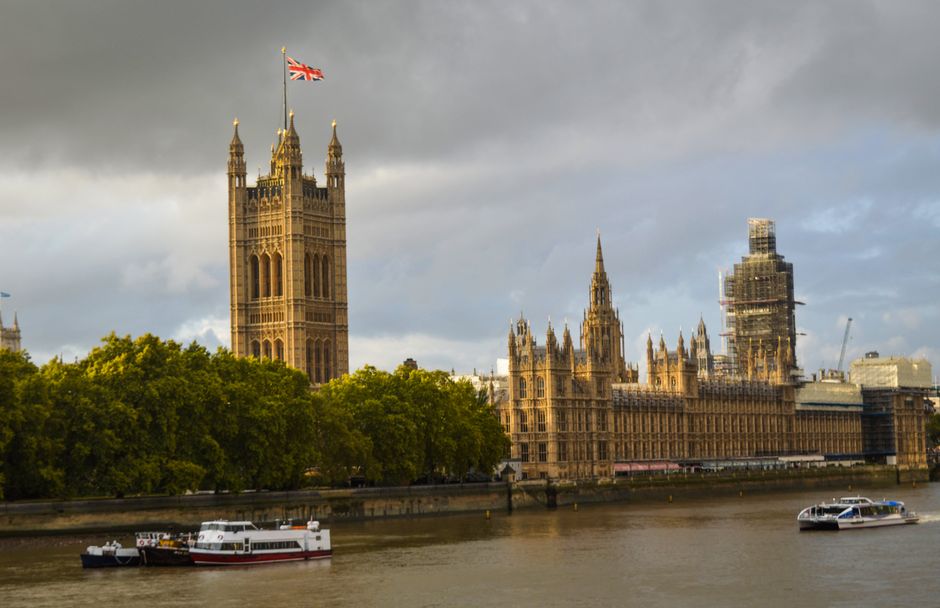
Carpet cleaning Whitehall Parliament Square Westminster
If you live or work around Whitehall, Parliament Square, or Westminster, carpet cleaning is rarely just about appearances. It is about keeping a busy property presentable, fresher underfoot, and less likely to hold on to dust, traffic marks, and those mysterious little city smells that seem to appear overnight. Carpet cleaning Whitehall Parliament Square Westminster also tends to be a practical necessity in places with constant footfall, mixed use, and tight schedules. A hallway carpet in a managed building, an office reception, a rental flat, or a family home near the centre of London all need a slightly different approach.
This guide breaks down what professional carpet cleaning involves, how the process works, what to expect, and how to choose the right service without overcomplicating it. You will also find a checklist, a comparison table, and a few hard-earned tips that save time and avoid fuss. Truth be told, carpet care sounds simple until you are staring at a stubborn stain at 8:15 on a weekday morning.
Why carpet cleaning in Whitehall, Parliament Square and Westminster matters
Carpets in central Westminster deal with a lot. Shoes bring in fine grit from pavements, damp from wet days, and all the tiny bits of dirt you do not notice until the light hits the fibres in the afternoon. In shared buildings, offices, and homes near Whitehall and Parliament Square, that everyday wear builds up fast. The result is usually not dramatic at first. It is more subtle: carpets start to look tired, colours flatten, and the whole room feels a bit less crisp.
That matters for a few reasons. First, presentation. In a city centre setting, people notice floors immediately, especially in reception areas, corridors, and stairwells. Second, comfort. A cleaner carpet generally feels better, smells fresher, and contributes to a calmer indoor environment. Third, maintenance. Regular professional cleaning can help reduce the grinding effect of trapped soil, which is one of the main reasons carpet fibres wear out sooner than they should.
There is also the practical side. Westminster properties often include mixed flooring, busy shared entrances, and time constraints. If you are coordinating around meetings, guest check-ins, or building access, it helps to have a cleaning plan that is predictable and efficient rather than improvised. That is where a service like professional carpet cleaning fits neatly into wider property care.
Expert summary: in central London, carpet cleaning is not a luxury add-on; it is part of keeping a property respectable, hygienic, and easier to maintain over time. The best results come from matching the method to the carpet, not from blasting everything with the same machine and hoping for the best.
How carpet cleaning in Whitehall, Parliament Square and Westminster works
A proper carpet clean is usually a structured process, even if it looks simple from the outside. The technician starts by assessing the fibre type, visible soiling, stain history, room layout, and drying constraints. A wool carpet in a period property will not be treated the same way as a synthetic office carpet in a high-traffic area. Nor should it be.
Most professional cleans follow a sequence like this:
- Inspection - check fibre type, wear patterns, stains, and any risk areas such as seams or loose edging.
- Dry soil removal - vacuum thoroughly to remove grit and debris before moisture is introduced.
- Pre-treatment - apply the right solution to traffic lanes, marks, and specific stains.
- Agitation - gently work the solution into the fibres where needed to loosen embedded dirt.
- Extraction or rinsing - lift out soil and product residue using the chosen method.
- Spot treatment - tackle anything still visible, with care and patience.
- Drying guidance - explain ventilation, drying time, and when the room can be used normally again.
The exact method depends on the job. Hot water extraction is common for deep cleaning because it can remove a lot of built-up dirt from the pile. Low-moisture methods can be useful where quicker drying matters, particularly in offices or rental properties that need to be back in use swiftly. In some cases, a dry or semi-dry approach is the sensible choice, especially if the carpet or subfloor has sensitivity to excess moisture.
One thing people often underestimate is the importance of drying. A carpet that is technically clean but still damp for too long can feel uncomfortable and, in worst cases, lead to odour or re-soiling issues. A good cleaner will talk plainly about airflow, temperature, and what to avoid after the work is done. Simple enough, but easily forgotten.
Key benefits and practical advantages
The obvious benefit is a cleaner carpet. That sounds almost too obvious, but there is more going on underneath. A well-cleaned carpet can improve the look of a room in a way that paint touch-ups and quick tidying simply cannot. It often lifts the whole space. You notice it in the light, the smell, even in the way a hallway feels when you walk through it.
Here are the main practical advantages:
- Better appearance - traffic lanes, dull patches, and spot marks are reduced.
- Improved freshness - carpets tend to hold odours from shoes, spills, pets, and general use.
- Longer carpet life - removing embedded grit helps reduce abrasive wear.
- More comfortable rooms - soft flooring feels more pleasant when it is properly maintained.
- Stronger first impressions - useful for offices, rentals, managed properties, and homes with guests.
- Better routine upkeep - regular professional cleaning makes day-to-day vacuuming more effective.
For landlords, facilities teams, and households alike, there is a decent return in simply staying ahead of the build-up. A carpet left too long between cleans often needs more aggressive treatment later. And nobody enjoys that conversation, do they?
If you are planning a broader refresh, carpet cleaning can be paired with deep cleaning for a more complete reset, or with one-off cleaning if the space just needs a thorough seasonal clean rather than a recurring schedule.
Who this is for and when it makes sense
Carpet cleaning in Whitehall, Parliament Square and Westminster is useful for a lot more people than you might think. It is not only for large offices or end-of-tenancy moves. In practice, it suits anyone dealing with visible wear, recurring foot traffic, or a room that has simply lost its fresh feel.
It makes sense for:
- Homeowners and tenants who want a cleaner, more comfortable living space.
- Landlords and letting agents preparing a property between occupants.
- Office managers looking after reception areas, corridors, and meeting rooms.
- Short-let hosts who need rooms to look and smell ready for the next guest.
- Building managers maintaining communal entrances and shared carpets.
- Busy households that need help after a spill, party, or just a long winter of wear.
Timing matters too. You might book a clean before a move, after decorating, at the end of a lease, or before an important event. In Westminster, that last one comes up more often than people expect. A carpet that looks fine in the morning can feel oddly tired by late afternoon when the room is full of people and footsteps. It happens.
For move-related cleaning, some customers also look at move-in cleaning or move-out cleaning. If carpet care is part of a wider handover, end-of-tenancy cleaning may be the better fit overall.
Step-by-step guidance
Good carpet cleaning is easier when everyone knows what is happening before the team arrives. A small bit of preparation goes a long way, especially in central London where access, parking, and timing can be tight.
1. Identify the carpet type and main issue
Start by looking at the carpet honestly. Is it dusty, stained, flattened in traffic areas, or affected by one big spill? Is it wool, synthetic, or a blend? If you are not sure, that is fine. A knowledgeable cleaner will usually work it out on site. Still, it helps to describe the problem clearly when asking for a quote.
2. Clear the space as much as possible
Move light items, breakables, and anything that could obstruct access. If furniture is too heavy to move, say so in advance. That sounds obvious, but forgotten side tables and fragile floor lamps have a funny way of becoming the biggest obstacle in the room.
3. Vacuum before the appointment if possible
This is not about doing the cleaner's job for them. It simply helps remove loose debris so the treatment can focus on embedded soil. If you cannot vacuum beforehand, it is not the end of the world. But if you can, do.
4. Point out stains, wear areas, and sensitivities
Show the technician the spots that worry you. Coffee near a desk, muddy footprints from a wet morning, a darker lane down the corridor, pet marks, or an area with previous damage. Also mention any concerns such as underfloor heating, previous treatments, or sensitive furnishings nearby.
5. Allow proper drying time
Once the clean is complete, follow the aftercare advice. Open windows if suitable, keep air moving, and avoid heavy foot traffic until the carpet is dry enough. If the room must be used quickly, say so at the outset so the cleaner can choose a method with drying time in mind.
That sequence may seem straightforward, but it is exactly the sort of structure that stops a good clean from turning into a rushed one. A bit of planning, that's all.
Expert tips for better results
There are a few habits that consistently improve results, and most of them are low effort. No magic spray, no secret formula. Just sensible practice.
- Vacuum slowly and thoroughly before any wet clean. Rushing a vacuum pass leaves grit behind.
- Treat stains early. The longer a spill sits, the more likely it is to bond with the fibres.
- Test cleaning methods on a small area if the carpet is delicate or you are unsure about colourfastness.
- Do not over-wet the pile. More water is not automatically better.
- Use the right aftercare. A clean carpet can re-soil quickly if people walk on it with damp shoes.
- Ask about ventilation before the job starts, especially in older Westminster buildings.
Here is a practical little one: if a room is used constantly, schedule carpet cleaning when you can keep it quieter for a few hours afterwards. Early evening or an off-peak slot can make the whole experience feel less disruptive. You will notice the difference straight away.
If your carpets are part of a larger furnishing refresh, it can also be sensible to combine them with sofa cleaning, upholstery cleaning, or rug cleaning so the room does not end up half-fresh and half-tired. That mismatch is oddly annoying.
Common mistakes to avoid
A lot of carpet problems are not caused by dirt alone. They are caused by well-meaning but slightly off-target cleaning decisions. To be fair, most of them are easy to make when you are in a hurry.
- Using too much product - residue can attract dirt and leave the carpet feeling sticky.
- Scrubbing stains aggressively - this can spread the mark and damage the pile.
- Ignoring drying time - walking on damp carpet too soon flattens fibres and reintroduces soil.
- Choosing the wrong method - wool, loop pile, and delicate blends all need different handling.
- Forgetting hidden areas - under desks, along skirting boards, and in corners are often the worst spots.
- Trying to fix old damage with one quick pass - some stains improve, some soften, and some need realistic expectations.
Another common issue is expecting every stain to disappear entirely. Sometimes they do. Sometimes they fade significantly but remain faintly visible. That is not failure; it is just the nature of fibre, dye, and time. A good cleaner should explain that clearly rather than overpromising.
Tools, resources and recommendations
For most customers, the best resource is a clear, honest conversation before booking. A detailed quote should reflect the size of the area, carpet condition, access, and any special treatment needs. If you are comparing options, look at what is included rather than just the headline price. That alone can save a few headaches.
Useful things to ask about include:
- whether the cleaning method suits your carpet fibre
- how long drying is likely to take
- whether stain treatment is included or priced separately
- what preparation is needed before arrival
- whether furniture moving is covered
- how the cleaner handles delicate or older carpets
If you want to plan the budget sensibly, take a look at pricing and quotes. If trust and service standards matter most, the company background is worth reading too; about us gives useful context on the people behind the service.
For readers thinking beyond carpets, a broader home or workplace clean may also involve domestic cleaning, house cleaning, office cleaning, or commercial cleaning. It depends on the property, really.
Law, compliance, standards and best practice
Carpet cleaning itself is not usually the tricky part. The bigger considerations tend to be safety, insurance, access, and sensible handling of chemicals and equipment. In the UK, a professional cleaner should work in line with normal health and safety expectations, use products appropriately, and avoid creating slip hazards or unnecessary disruption.
For busy buildings, especially around Westminster, best practice usually includes:
- clear communication about access and timing
- careful movement of furniture and equipment
- appropriate ventilation during and after cleaning
- use of suitable products for the carpet fibre and condition
- attention to electrical safety when powered equipment is used
- realistic advice on drying and re-entry
If a provider has documented safety information, that is a good sign. You can review health and safety policy information and insurance and safety details to understand how the service approaches risk and responsibility. It is also sensible to check the terms and conditions before confirming anything, especially if your property has access restrictions or special requirements.
For environmentally minded customers, recycling and sustainability is another useful page to review. Small choices matter more than people think, particularly in a city where every visit, every product, and every bit of waste adds up.
Options, methods and comparison table
Different carpet cleaning methods suit different situations. There is no universal winner. The right choice depends on the material, soil level, and how quickly the room needs to be usable again.
| Method | Best for | Strengths | Watch-outs |
|---|---|---|---|
| Hot water extraction | Deep cleaning of many synthetic and durable carpets | Good soil removal, strong refresh, useful for built-up grime | Needs more drying time and careful moisture control |
| Low-moisture cleaning | Busy offices, quick-turnaround jobs, lighter maintenance cleans | Faster drying, less disruption, practical for frequent use | May be less effective on heavily soiled carpets |
| Dry or semi-dry treatment | More sensitive settings or where moisture must be limited | Very convenient, minimal downtime | Usually better for maintenance than heavy restoration |
| Spot treatment only | Small incidents or isolated marks | Quick and targeted | Not a substitute for a full clean if the rest of the carpet is dull |
For many Westminster properties, the best answer is not one method forever. It is a mix. A building may need regular light maintenance, then a deeper clean every so often. That is often the sensible middle ground, and honestly, the least stressful one.
If your carpets are in shared zones, communal area cleaning can be especially relevant because entrance halls and landings collect dirt faster than private rooms. For scheduled upkeep, regular cleaning may be a better fit than one-off visits.
Case study or real-world example
Consider a small office near Parliament Square with a carpeted reception, one meeting room, and a corridor that sees constant shoe traffic. Nothing dramatic was wrong. No flood, no big stain, no disaster. But the carpet had that worn, greyish path down the centre that makes a place feel less polished than it should.
The job was approached in stages. First, the team checked fibre type and identified the main traffic lanes. Then they vacuumed thoroughly, pre-treated the darker areas, and used a method that balanced cleaning power with practical drying time. The reception improved immediately. The corridor still showed a little history, because some wear is wear, but the overall effect was much fresher and more professional.
That sort of outcome is normal. Not every carpet comes back looking brand new. But a meaningful improvement is often enough to change how a room feels. People entering the space notice it. Staff notice it. Even the afternoon light seems kinder. Slightly dramatic? Maybe. But true enough.
Practical checklist
Use this before booking or on the day of the clean.
- Identify which rooms or areas need cleaning.
- Note the worst stains, traffic lanes, and odours.
- Check whether any furniture needs moving.
- Confirm fibre type if you know it.
- Ask how long the carpet is likely to take to dry.
- Make sure access, parking, and entry details are clear.
- Keep children, pets, and fragile items out of the work area.
- Plan ventilation for after the clean.
- Use gentle vacuuming once the carpet is dry.
- Consider whether you also need upholstery, rugs, or a wider clean.
This is the kind of checklist that looks almost too simple, but it saves time. A lot of time, actually.
Get a free quote today and see how much you can save.
Conclusion
Carpet cleaning Whitehall Parliament Square Westminster is really about keeping busy London spaces in decent shape without making life complicated. The right service should be practical, careful, and honest about what the carpet can and cannot do. It should suit the property, the footfall, and the time you have available. That is the whole game.
Whether you are maintaining an office, refreshing a home, or preparing a rental for the next person, the best results usually come from straightforward planning and a method matched to the job. Small things matter: drying time, fibre type, stain history, and access. Get those right, and the clean feels easy. Or at least easier than expected, which in Westminster is no small thing.
If you are still weighing up the best approach, a quick conversation with a professional cleaner can save trial and error. And sometimes that is all you need: a clear plan, a clean floor, and one less thing to worry about before the week properly starts.
Frequently Asked Questions
How often should carpets be cleaned in Whitehall, Parliament Square and Westminster?
It depends on traffic, use, and carpet type. Busy offices, communal spaces, and rental properties often need more frequent cleaning than quiet homes. A regular vacuuming routine helps, but professional cleaning is usually needed periodically to remove deeper soil.
What is the best carpet cleaning method for central London properties?
There is no single best method for every property. Hot water extraction works well for many deep-clean situations, while low-moisture methods can suit busy premises that need faster drying. Delicate fibres or moisture-sensitive areas may need a gentler approach.
How long does carpet cleaning usually take?
That depends on the size of the area, the carpet condition, and the method used. A small room may be relatively quick, while larger offices or multiple rooms can take much longer. Drying time is a separate question and should be discussed before the clean begins.
Will carpet cleaning remove every stain?
Not always. Fresh stains usually respond better than old or set-in marks. Some stains can fade significantly but not vanish completely, especially if fibres have been dyed or damaged. A good cleaner should be upfront about this rather than promise miracles.
Is carpet cleaning suitable for wool carpets?
Yes, but wool carpets need more care than many synthetics. They can react differently to moisture, heat, and cleaning products, so the cleaner should choose methods that are safe for the fibre and avoid over-wetting the pile.
Can carpet cleaning help with odours?
Yes, especially when odours are coming from general dirt, spills, pets, or traffic build-up. Results vary depending on the source of the smell. If the cause is deep or structural, carpet cleaning may improve things but not solve everything on its own.
Do I need to move furniture before the appointment?
It helps if you can move smaller items and clear obvious obstacles. Heavy furniture may be moved by arrangement, but always confirm this in advance. Fragile or valuable items should be dealt with carefully, and sometimes it is better to leave them in place.
What should I do after the carpet has been cleaned?
Follow the drying advice given by the cleaner, keep foot traffic light, and avoid putting furniture back too soon if it could transfer marks. Once the carpet is fully dry, a gentle vacuum can help lift the fibres and keep the finish looking neat.
How do I choose a reliable carpet cleaning service?
Look for clear pricing, sensible explanations of the cleaning method, and proper safety information. It also helps if the company has transparent policies and a professional approach to access, insurance, and customer care. For example, you may want to review their complaints procedure and payment and security information before booking.
Can carpet cleaning be combined with other services?
Absolutely. Many customers combine it with upholstery, rug, mattress, or general cleaning. If you are doing a full reset, it can make sense to bundle related jobs together rather than spacing them out awkwardly over several weeks. Less back-and-forth, fewer interruptions.
Is carpet cleaning useful for offices and commercial properties?
Very much so. Offices and commercial spaces tend to show wear quickly in entrance areas, corridors, and meeting rooms. A regular cleaning plan can help maintain a professional appearance and reduce the need for more intensive restorative work later.
What if my property has special access or timing restrictions?
Tell the cleaner as early as possible. Westminster properties often have practical constraints like limited access windows, concierge arrangements, or building rules. The more clearly you explain the situation, the smoother the visit will usually be.